

How to Short Stocks and Profit When the Market Falls
Bottom Line: Shorting stocks is a legitimate strategy, but the mechanics work against most retail investors: losses are uncapped, timing is brutal, and borrowing costs eat into gains. For investors who want downside exposure without the margin risk, inverse ETFs offer a more manageable path. The bigger takeaway is that major market selloffs have historically rewarded buyers, not short sellers, over any meaningful time horizon.
Profiting when stocks fall, the mechanics behind it, and why most investors should think twice
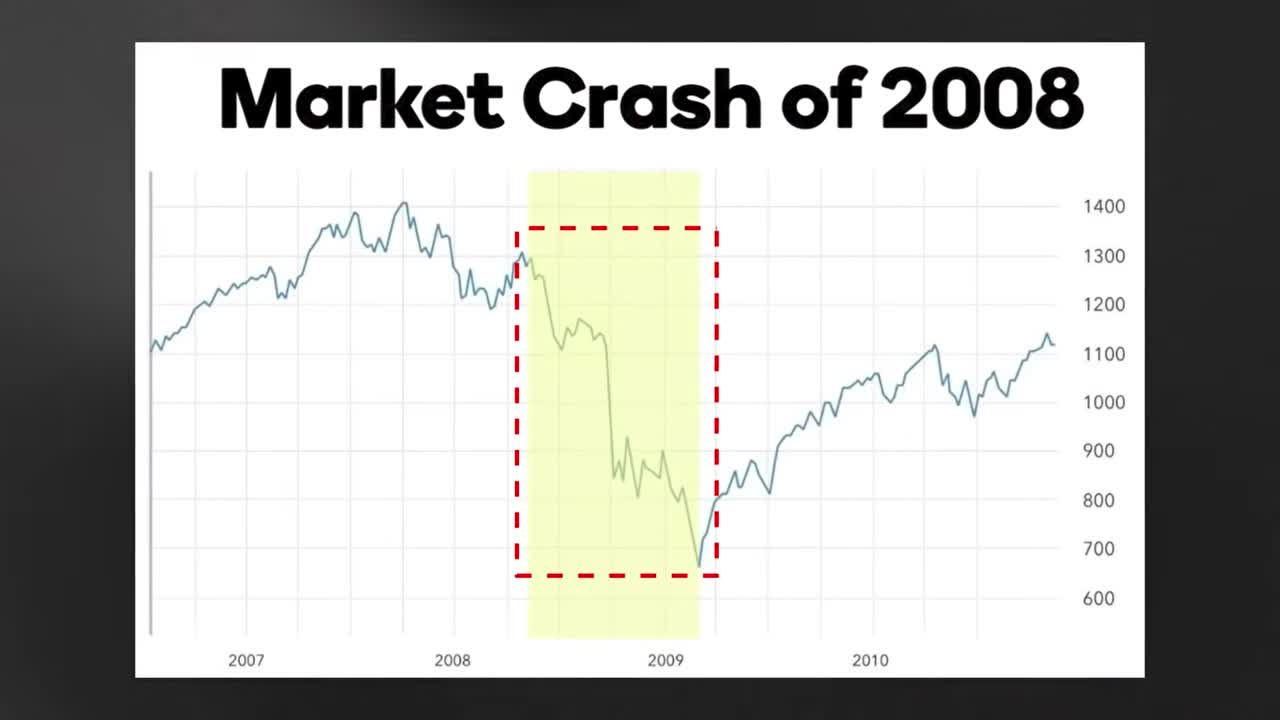
You've probably seen The Big Short. Michael Burry, played by Christian Bale, bet against the housing market in 2008 and made millions while the rest of the economy crashed and burned. He bought swaps on mortgage bonds that would pay off if the underlying bonds failed. In other words, he shorted the housing market. But what does "shorting" actually mean, and can regular investors do it too? If you've ever wondered how to short stocks, this breakdown covers the mechanics, the risks, and the alternatives.
How Is Short Selling Different From Normal Investing?
In traditional investing, you buy a stock hoping the price goes up. Buy low, sell high, pocket the difference. In its truest form, this is value investing: buying underpriced stocks trading below what you believe they're worth, then profiting when the price catches up to reality.
Shorting flips that entire model on its head. You make money when a stock goes down.
How a Short Trade Works
Imagine a publicly traded company called "The Pizza Company." The stock trades at $50 per share, but you think it's overpriced. Their pizza is terrible, they use too much sauce, whatever the reason.
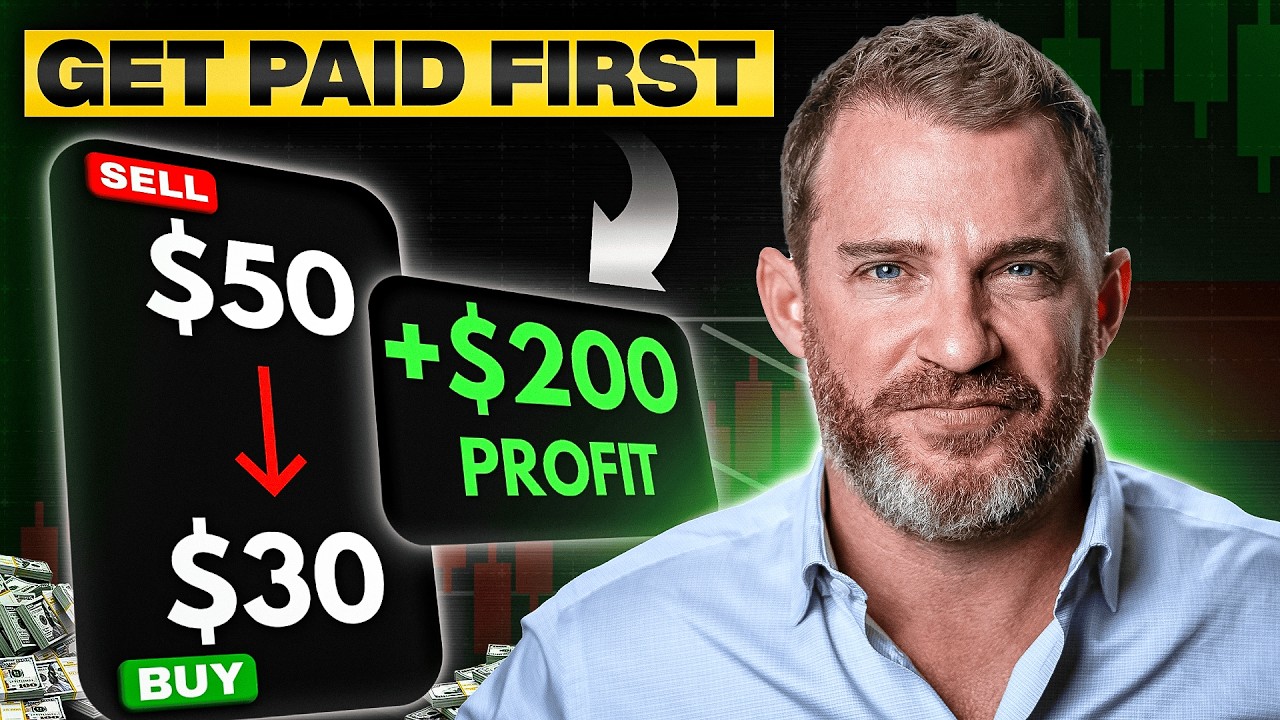
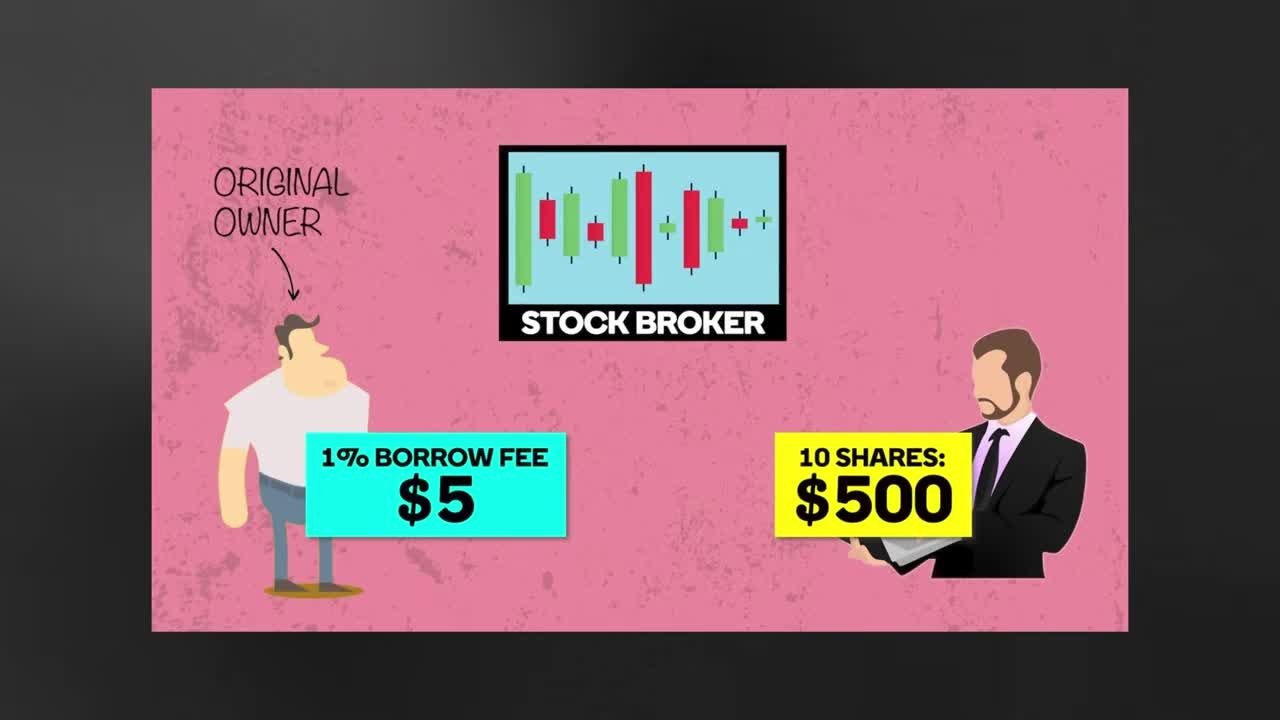
You borrow 10 shares from a stock broker and sell them immediately at $50 each. That puts $500 in your pocket for shares you don't even own. Then you wait.
The Pizza Company drops to $30 per share. You buy back the 10 shares (this is called "covering") for $300, return the borrowed shares to your broker, and walk away with a $200 profit. All because the stock went down.

The Catch: Unlimited Risk
Sounds easy, right? Here's the catch.
If The Pizza Company stock goes up instead of down, say to $70 a share, buying back those 10 shares now costs you $700. That's a $200 loss. And there's no limit on how bad it can get. A stock can only fall to zero, but it can rise forever. Losses on a short position are technically unlimited.
That's exactly why Michael Burry's 2008 short of the housing market was such a risky move. He was right. But if he'd been wrong, the losses could have been catastrophic.
What Are the Real Risks of Shorting Stocks?
Margin Accounts
Shorting requires a margin account. This is an account where you can invest more money than you actually have. With $50,000 in your account, you can buy $100,000 worth of stock. The broker lends you the difference.
But if things go wrong, the broker can demand more money. That demand is called a margin call, and it's the broker trying to protect themselves first. If you're short and the stock price rises too much, the broker can automatically close your position to stop further losses. They will always protect themselves before they protect you.
Where Do the Borrowed Shares Come From?
The stocks you own are typically held in "street name." They're still yours, but they're held in your broker's name for simplicity. That means the broker is allowed to lend out your shares. Look at the fine print of your margin agreement, and you'll see it written right there.
If you have a cash account, brokers generally cannot lend your shares without extra permission. Many brokers also offer voluntary stock lending programs. If you opt in, your shares can be lent to short sellers. Why would someone want to lend out their shares? Because they get paid. When stocks are lent out, the borrower pays interest, called a borrow fee, and the original owner gets a small percentage of that.
Get an entire year of live weekly mentoring sessions, my newsletter, bonus reports, and a ton more.
Join my Black Ops Trading ClubWhat Are Inverse ETFs and How Do They Work?
Shorting is risky. But there's a way to bet against the market without borrowing shares or facing unlimited losses: inverse ETFs.
An inverse ETF is a fund designed to go up when a market goes down. You can buy them in any account, even an IRA. No margin required. No borrowing shares. You simply buy the ETF, and it goes up when the stock or market goes down. It's like a reverse gear for investing. For investors learning how to short stocks, inverse ETFs offer a more accessible entry point.
Think of it like trying to walk up an escalator that's going down faster than you can climb. Even though you're still stepping up gradually, you're drifting lower. That's what happens to inverse ETFs over the long term. They have transaction costs, they're made up of options and futures, and things like time decay just affect their value over time.
The Simplest Way to Profit
The simplest way to profit when markets fall doesn't require shorting or inverse ETFs. It's the age-old strategy of buying low and selling high. Selling when you think the market is overvalued, then buying back after a crash when stock prices are cheap.
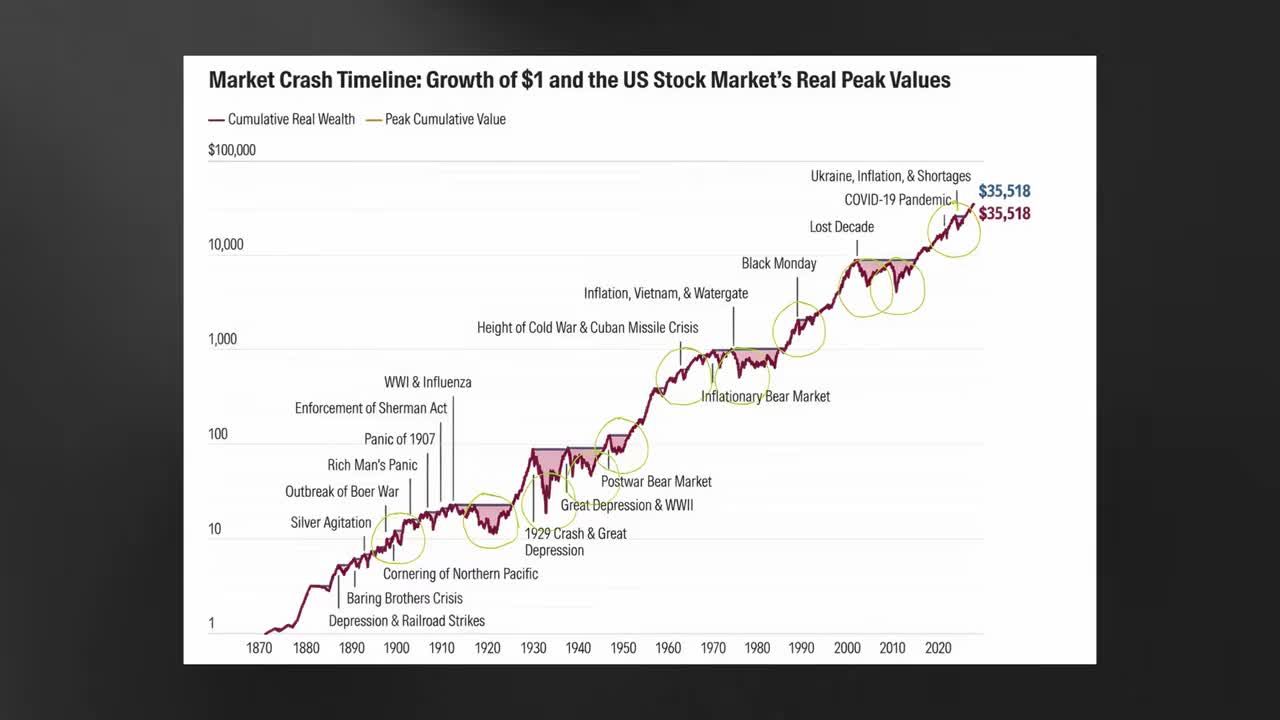
Market crashes happen over and over again. The chart above makes that crystal clear. Ideally, you want to buy stocks while they're cheap during these crashes and sell near the top. But that's a lot easier said than done. Predicting these movements isn't easy. Knowing when to act often takes careful research and insights from experienced investors.
A lot of investors are saying we're on the cusp of a big market crash right now. I don't think we are. I believe this is one of the best buying opportunities we've seen in years, especially in the leading market groups, the ones poised for huge growth over the next 1 to 3 years.
Get an entire year of live weekly mentoring sessions, my newsletter, bonus reports, and a ton more.
Key Takeaways
- In a short trade, you borrow shares from a broker, sell them immediately, and profit if the price drops enough to buy them back cheaper. On a $50 stock, selling 10 borrowed shares nets $500 upfront, and buying them back at $30 returns a $200 profit.
- Short selling carries theoretically unlimited loss potential. If you short a stock at $50 and it climbs to $200, you owe the difference with no ceiling on how high the loss can go.
- Inverse ETFs let you bet against the market without borrowing shares or opening a margin account. They're designed to move opposite to an index, making them a more accessible alternative for most retail investors.
- The S&P 500 has historically recovered from every major crash, including the 2008 financial crisis. Shorting during a downturn requires precise timing on both the entry and the exit, which makes it extremely difficult to execute profitably.
- The current market environment is viewed as a buying opportunity, not a crash setup, with the strongest potential in leading market groups over a 1 to 3 year horizon.
DISCLAIMER: Traders Agency does not offer financial advice. The information provided is for educational purposes only and should not be considered financial advice. Traders Agency is not responsible for any financial losses or consequences resulting from the use of the information provided. Trading carries inherent risks and may not be suitable for all individuals. You are advised to conduct your own research and seek personalized advice before making any investment decisions, recognizing the potential risks and rewards involved.
See more from Traders Agency on Google
Make us a preferred source and our market analysis will appear more prominently in your Google Search, Top Stories, and AI results.
Add to Preferred Sources