
If you're still buying Nvidia, Microsoft, and the other big AI names, stop. That trade is over. You are never going to make money buying yesterday's winners. The best opportunities right now are in ai photonics stocks, the companies building the physical layer that makes artificial intelligence possible.
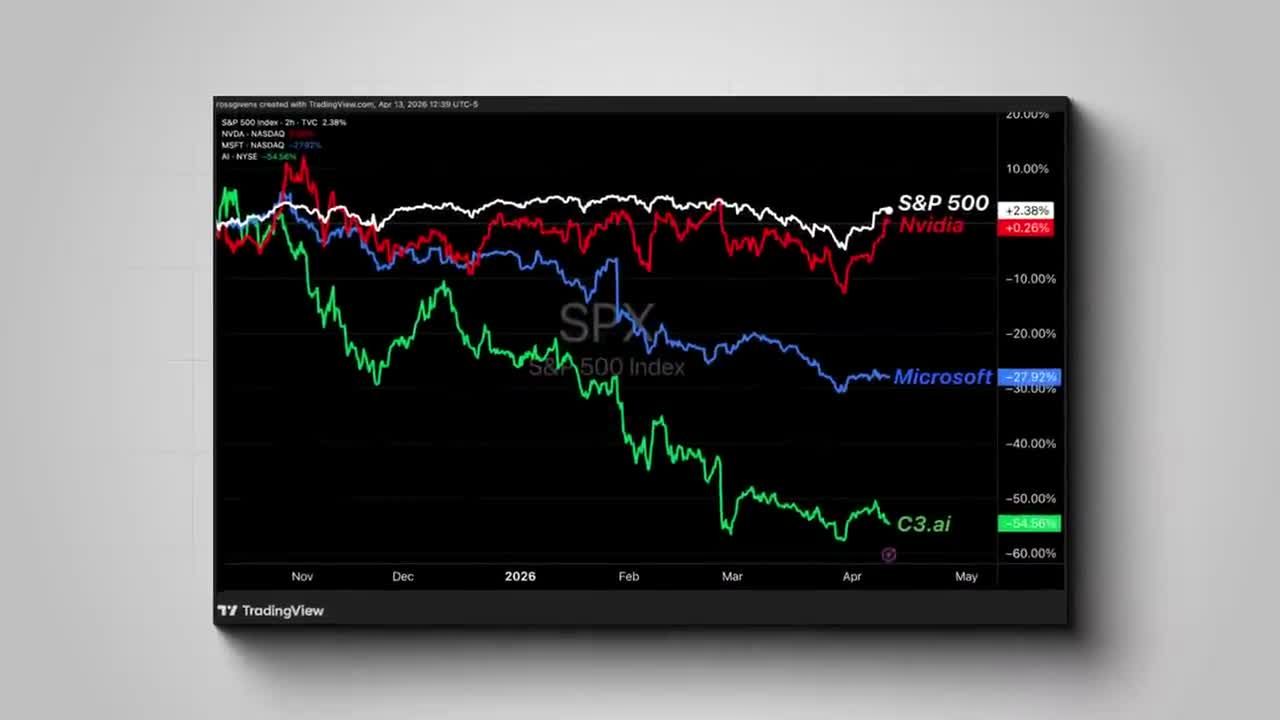
Today's best opportunities lie in a layer underneath all of that. A layer that has to exist before any of those massive tech companies can do a single thing. It's called photonic infrastructure. And right now, four small companies control it.
The market is entirely focused on the software and the chips. It's missing the physical reality of how these facilities actually operate. The real money is flowing into the companies building the physical components that make artificial intelligence possible.
What Is the Real Bottleneck Inside AI Data Centers?
Bottom Line: The AI infrastructure trade has moved past chips and software into the physical layer that makes data centers function: photonic components that move information at the speed of light. Four small companies controlling substrates, signal processing, transceivers, and testing are positioned to capture a disproportionate share of hyperscaler capital spending. The market has not priced this in yet, which is the entire argument for acting now.
What most investors miss about AI is this: the bottleneck in every AI data center is not the software. It's not even the chips. It's moving the data. Getting information from one part of a data center to another at speeds that don't create lag, without generating so much heat the whole building melts.
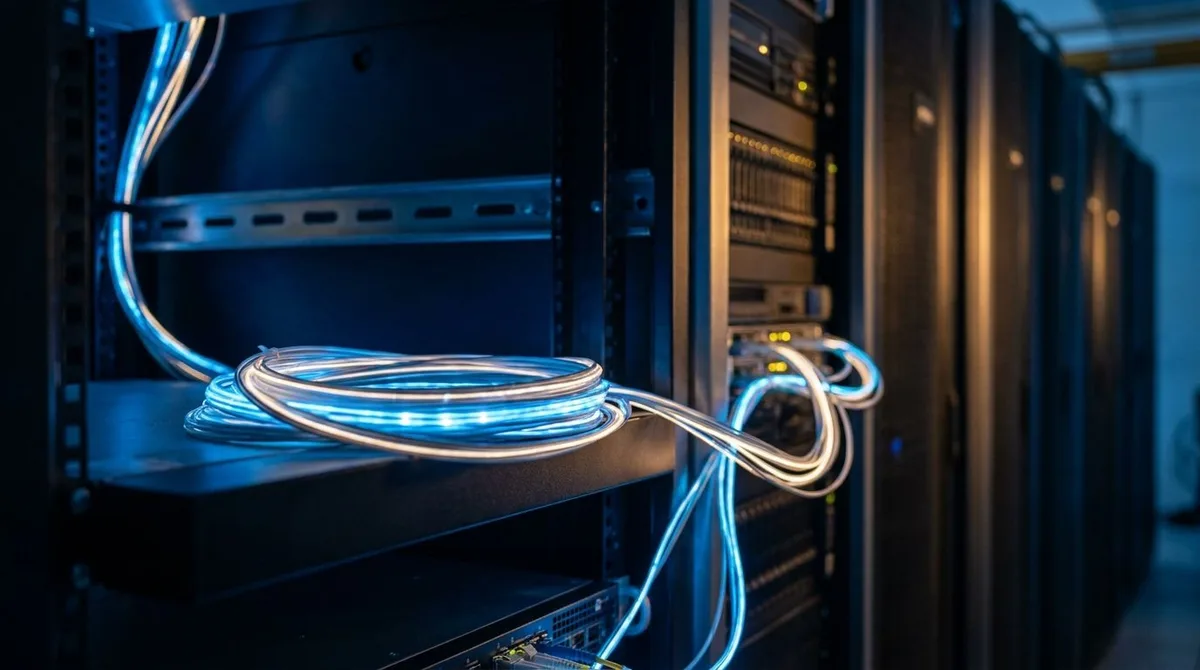
The answer to that problem is photonics: moving data as light through fiber instead of electrons through copper.
This technology is not theoretical. It's already deployed in every major AI data center in America right now. The companies building this infrastructure are quietly becoming some of the top performers of this decade. And most of your friends have never even heard of them.
Which AI Photonics Stocks Control the Data Center Supply Chain?
Before any AI data center gets built, someone has to make the raw materials. Then someone has to process the signal. Then someone has to convert the electrical signals into light. Finally, someone has to test every single component before it goes live.
These four companies own that process. Most of your friends have never even heard of them.
AXTI: The Substrate Supplier
AXT Incorporated makes the raw material everything else is built on.
Before the cables, the transceivers, and the signal processors, someone has to make the substrate. AXT Incorporated (ticker: AXTI) is that company.
AXT makes compound semiconductor wafers, specifically indium phosphide and gallium arsenide substrates. This is the stuff used to manufacture the lasers inside every optical communication system.
It all starts and ends with AXT.
The stock is currently trading around $63. 12 months ago, it was $1.13.
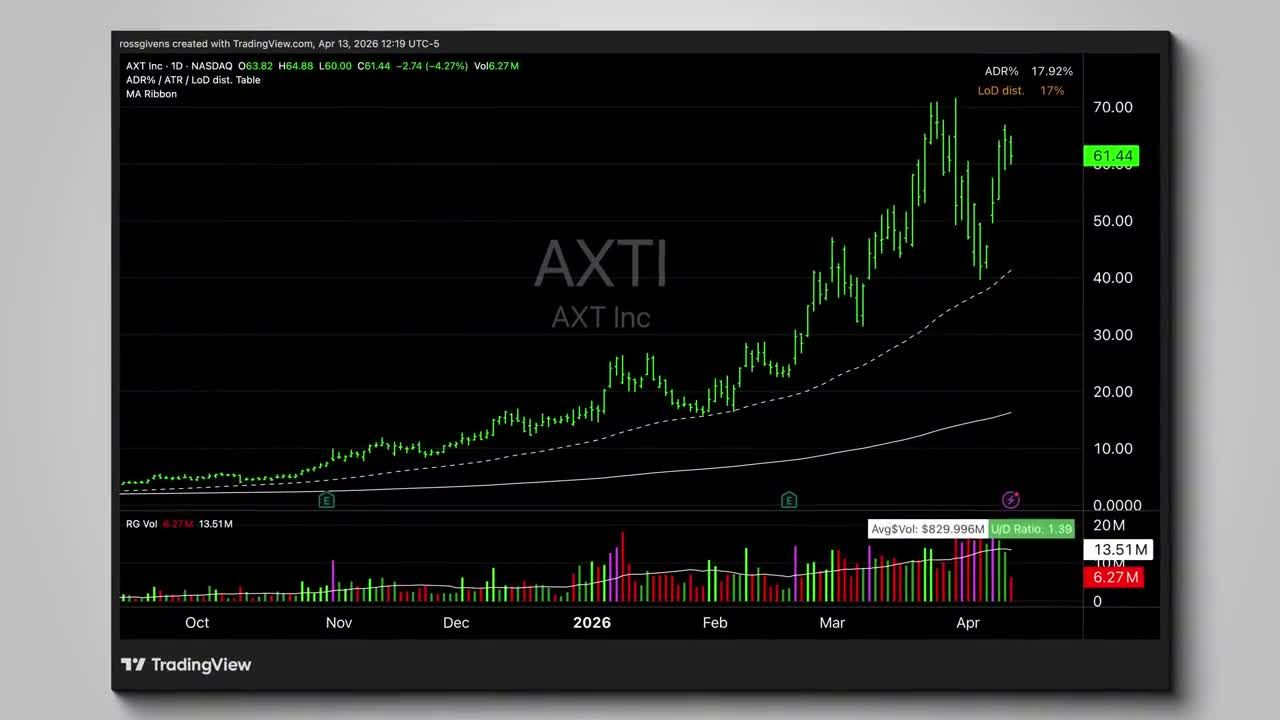
From penny stock territory to 63 bucks a share in under a year. It is the little stock that could, driven entirely by hyperscaler demand for photonic infrastructure components. And this stock is showing no signs of slowing down.
MRVL: Processing the Signal
Marvell Technology builds the traffic control system for light.
Once you have the wafers and the lasers, you need something to process the signal. You have to take data moving at the speed of light and make sense of it at the network level.
That's Marvell Technology, ticker MRVL.
Marvell builds digital signal processors, the chips that sit inside optical networking equipment and manage the data flowing through photonic cables. Think of them as the traffic control system for the light. The wafer gets you into the building. Marvell's chip tells the light where to go and how fast to get there.
Their technology moves data at speeds that make traditional copper-based systems look like they're running on dial-up.
Barclays just upgraded the stock with a $150 price target, specifically citing the growth in their optical business.
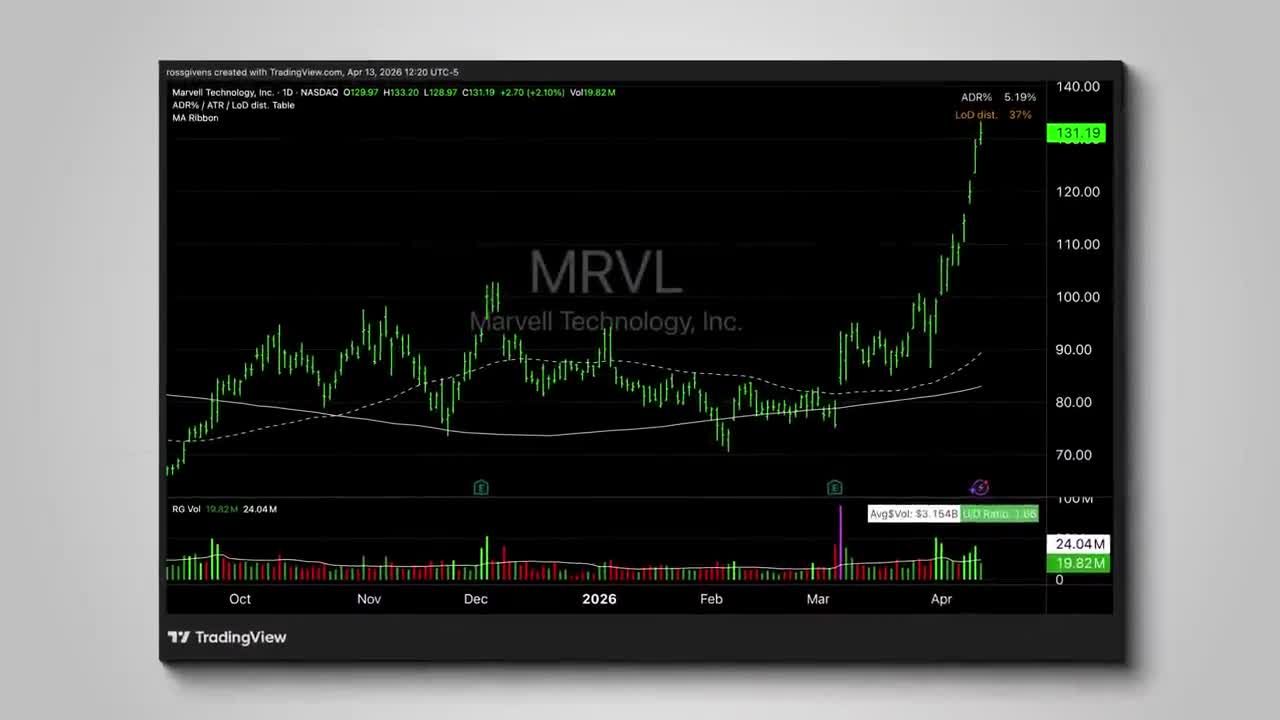
The stock moved from $100 to over $130 this month alone, and it's still below the Barclays price target.
It's been a volatile couple of years for Marvell. But shares are now breaking out to new all-time highs. This is an institutional-grade stock with direct, growing exposure to every dollar that hyperscalers are spending on AI data center buildouts.
For just $5, get an entire year of access including live one-hour group mentoring sessions, a weekly newsletter, indicators, and a bunch more.
Join my Black Ops Trading ClubAAOI: Putting Data Onto Light
Applied Optoelectronics builds the transceivers that convert electricity into photons.
We have the raw materials and the signal processors. Now we need something to actually put the data onto the light, to take an electrical signal from a server and convert it into a photon that can travel through fiber.
That's what a transceiver does. Applied Optoelectronics (ticker: AAOI) is one of the leading manufacturers.
Their optical transceivers convert electrical signals into light. That light travels through fiber cables, crossing an entire data center in microseconds, carrying massive amounts of data with no degradation. And it does this without generating the heat that copper produces.
Pull Applied Optoelectronics out of the equation and the entire system stops working. You'd have the wafers. You'd have the signal processors. But nothing to actually put the data on the fiber.
This is a mid-cap company with lots of room to grow, with massive hyperscale orders it didn't have a year ago. Rosenblatt initiated coverage with a buy rating last week, citing the company's positioning in optical transceiver technology for the next generation of data center speeds.
AEHR: The Last Line of Defense
Aehr Test Systems tests every chip before it ships.
The last company in the chain may be the most important of all four.
Every single chip that goes into a data center has to be tested before it ships. Every photonic chip. Every semiconductor. Every optical component. Aehr Test Systems (ticker: AEHR) builds the machines that do it.
They are the last line of defense before that infrastructure goes live. If a chip fails in the field inside a live data center, the cost is enormous. Testing it before it ships costs a fraction of that. Every chip in every data center has to pass through a system like this.
As the volume of photonic chips scales with colossal AI demand, the demand for Aehr's testing equipment scales right alongside it.
The business case is incredibly simple. More chips being manufactured means more chips that need to be tested. The demand here is structural.
Photonics vs. Copper: Who Wins?
You might be asking a very logical question right now. If photonics is replacing copper cables inside these data centers, is that bad for copper? Is this a headwind for the commodity? Is it going to prevent the price from going higher?
The answer is no.
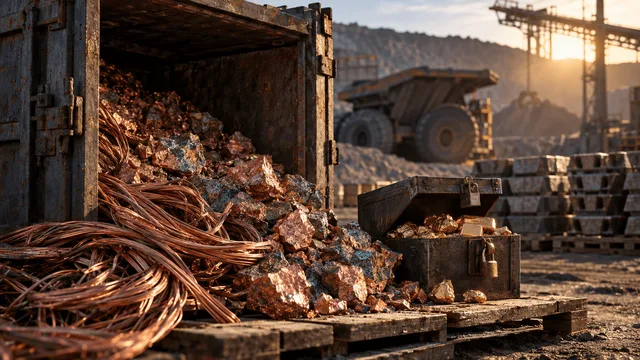
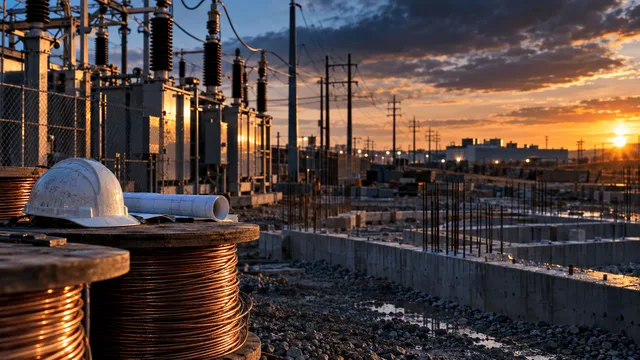
Most people think of copper in a data center as the data cable. But that is a small fraction of the copper in the building. The bulk of the copper in any AI data center is carrying power, not data. Power distribution from the grid to the racks, bus bars, cooling systems, motors and pumps, electrical grounding, the short-distance stuff, GPU-to-GPU connections between the racks.
Photonics replaces the backbone data transmission cables, the ones that run between racks, between rows, between buildings. As of the end of 2025, roughly 85% of new backbone deployments already use fiber over copper for these long runs.
But fiber has taken the long runs. Copper still owns the rack.
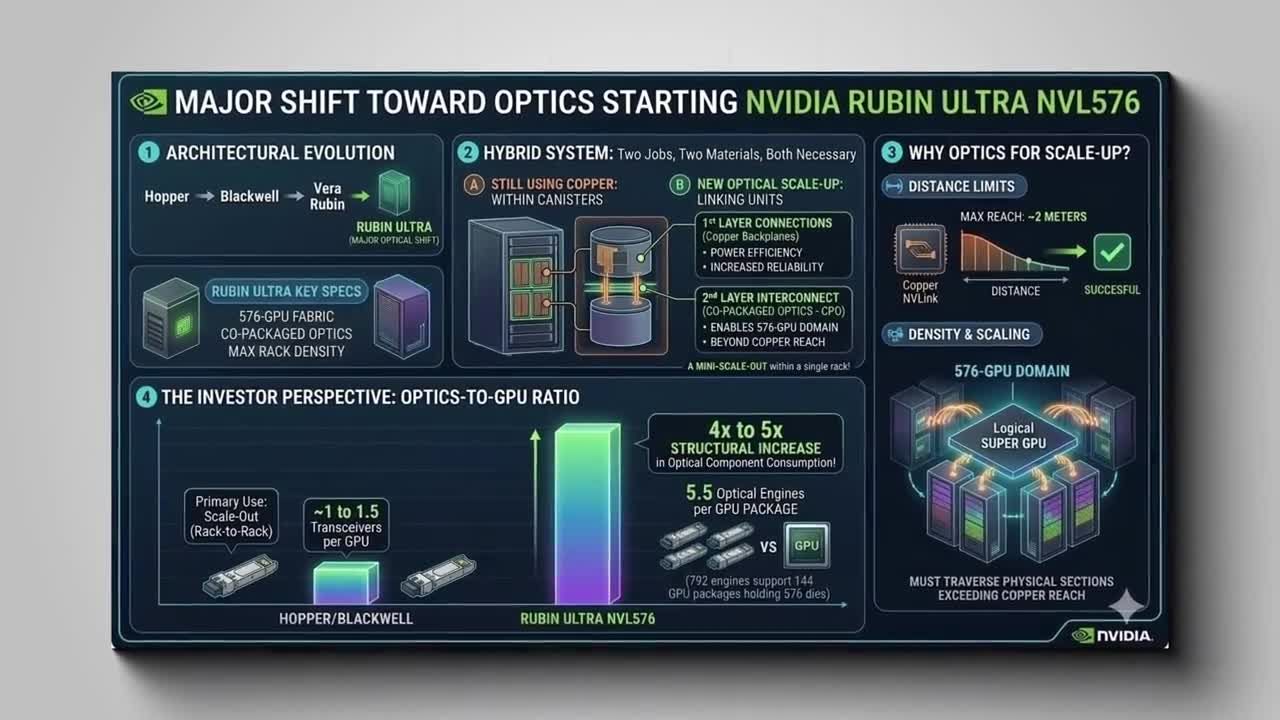
Even Nvidia's latest Blackwell NVL 576 system still runs copper inside the rack. GPU-to-GPU connections remain copper. It only shifts to optical fiber between racks.
Google's own engineers have stated publicly that scale-up interconnects, the densest, most performance-critical links, remain copper-based. Corning's 2026 data center forecast called fiber-fed intra-connections still in the "first field trial stage."
The short-distance stuff belongs to copper. The long-distance stuff belongs to light.
Why This Is Bullish for Copper
The photonic substitution is real. But the demand surge from power infrastructure is bigger.
On the power side, which is the majority of data center copper, AI actually makes the problem bigger, not smaller. Every new AI data center draws more power than the last one. More power means more copper electrical distribution.
Light does not carry electricity. That problem does not go away.
The net effect on copper is bullish, not bearish. The photonic buildout is not a threat to the copper thesis. If anything, it's part of the same AI infrastructure wave driving copper higher.
The Full AI Photonics Stocks Supply Chain Trade
The AI trade everyone knows is Nvidia and Microsoft. The real infrastructure play is the full supply chain.
1. Own the Foundation
AXT Incorporated (AXTI) makes the compound semiconductor wafers. These wafers build the lasers. Without this foundation, nothing else in the data center works.
2. Own the Connective Tissue
Applied Optoelectronics (AAOI) builds the optical transceivers. They put data onto light. They are the connective tissue of the entire operation.
3. Own the Engine
Marvell Technology (MRVL) processes the signal at network speed. They are the engine driving data through the fiber.
4. Own the Quality Gate
Aehr Test Systems (AEHR) tests every single chip before it ships. They are the quality gate preventing catastrophic failures inside live data centers.
5. Hold the Power Metals
Underneath all of this advanced technology, copper is still running the power. Still running the rack. Still very much in the game.
If you're only looking at the front end of artificial intelligence, you're missing the companies that make it physically possible. The hyperscalers are pouring billions of dollars into these facilities. That capital flows directly into the substrate makers, the chip designers, the transceiver builders, and the testing facilities.
These ai photonics stocks represent the hidden layer underneath every major data center in America. Do your own due diligence. But understand that the market is shifting. The biggest gains belong to the companies solving the physical bottlenecks of moving data at the speed of light.
For just $5, get an entire year of access including live one-hour group mentoring sessions, a weekly newsletter, indicators, and a bunch more.
Key Takeaways
- The real bottleneck in AI data centers is not chips or software but moving data fast enough without generating excess heat, a problem solved by photonics: transmitting data as light through fiber instead of electrons through copper.
- Four small-cap companies control the photonic infrastructure layer underneath every major AI data center in America, covering substrates, chip design, transceivers, and testing.
- AXTI supplies the substrate materials that photonic chips are built on, MRVL handles signal processing, and AAOI specializes in putting data onto light via transceivers.
- Hyperscaler capital expenditure flowing into data center buildouts translates directly into revenue for substrate makers, chip designers, transceiver builders, and testing facilities, not just Nvidia or Microsoft.
- The thesis is that the market is mispricing the physical infrastructure layer while remaining fixated on software and semiconductors, creating an entry window in ai photonics stocks before broader recognition.
DISCLAIMER: Traders Agency does not offer financial advice. The information provided is for educational purposes only and should not be considered financial advice. Traders Agency is not responsible for any financial losses or consequences resulting from the use of the information provided. Trading carries inherent risks and may not be suitable for all individuals. You are advised to conduct your own research and seek personalized advice before making any investment decisions, recognizing the potential risks and rewards involved.
See more from Traders Agency on Google
Make us a preferred source and our market analysis will appear more prominently in your Google Search, Top Stories, and AI results.
Add to Preferred Sources