
The new Fed chairman just turned on his own institution. On camera, in front of the entire world. This fed inflation warning is one every investor needs to hear.
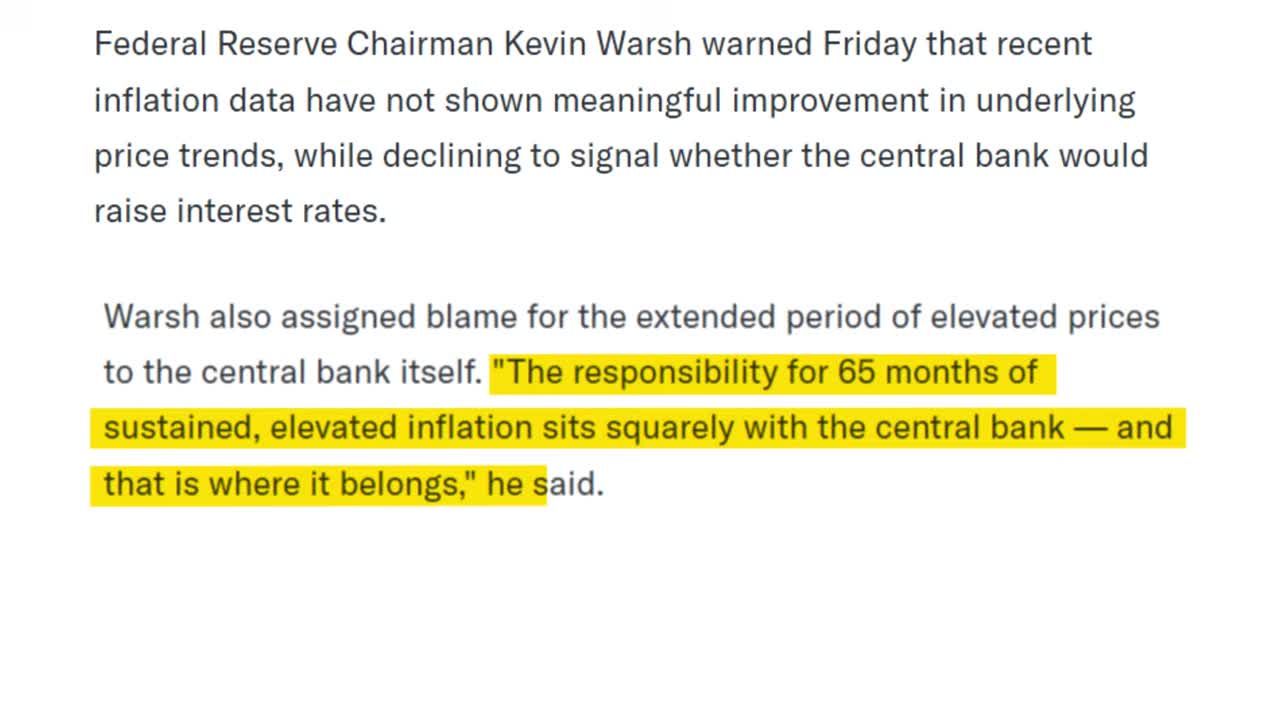
On Friday, August 28th, Kevin Warsh stood up at Jackson Hole and told a room full of central bankers that the responsibility for 65 months of elevated inflation sits squarely with the Federal Reserve. Not supply chains. Not the pandemic. Not Washington. Them.
And he made it very clear that he is not cutting rates to fix it.
Wall Street has spent the entire year pricing in rate cuts that are no longer coming. The era of free money is over.
What Does the Fed Inflation Warning Mean for Your Portfolio?
Bottom Line: Warsh opened his Fed tenure by owning the inflation record and signaling that rate cuts are not the next move. Portfolios built around a rate-cut rescue may need to be reassessed against a policy backdrop that could stay tighter for longer.
If you've been waiting on rate cuts, read this twice.
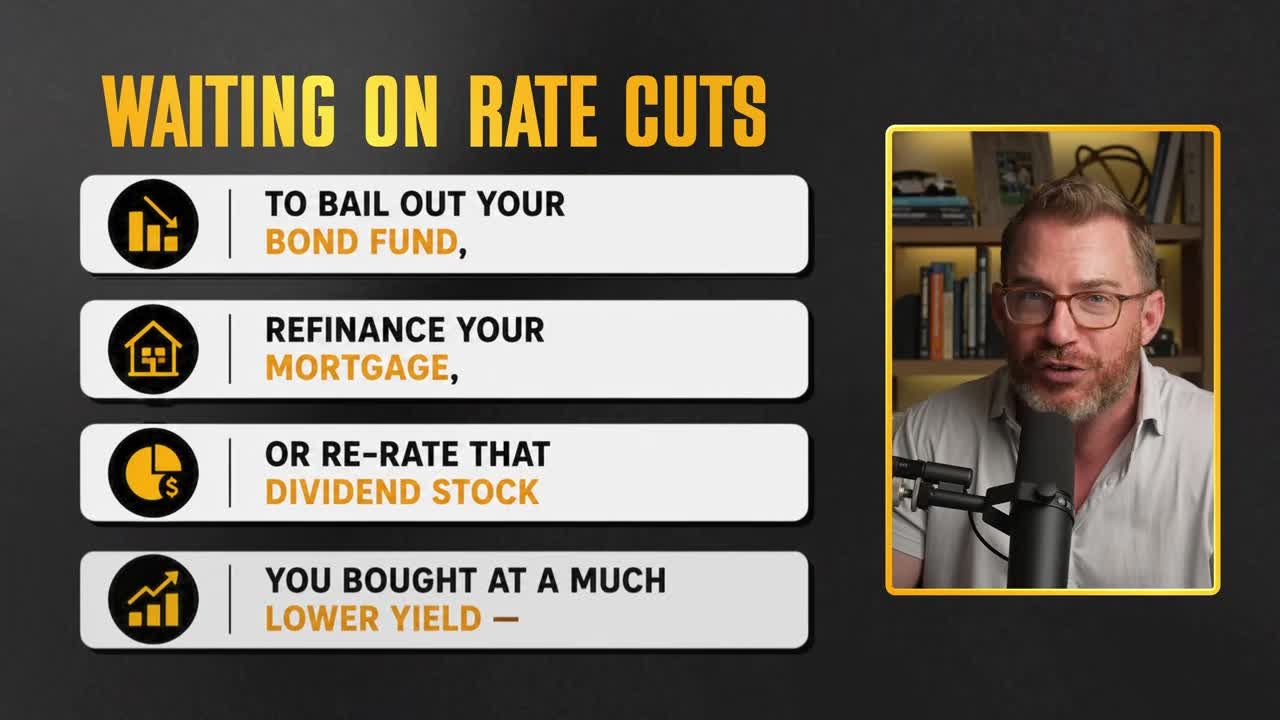
Maybe you're hoping to refinance your mortgage. Maybe you own a bond fund that needs lower yields to recover, or a dividend stock getting crushed as rates climb. That entire strategy is now broken.
Warsh could not have been clearer. He is not cutting rates to fix the current economy.
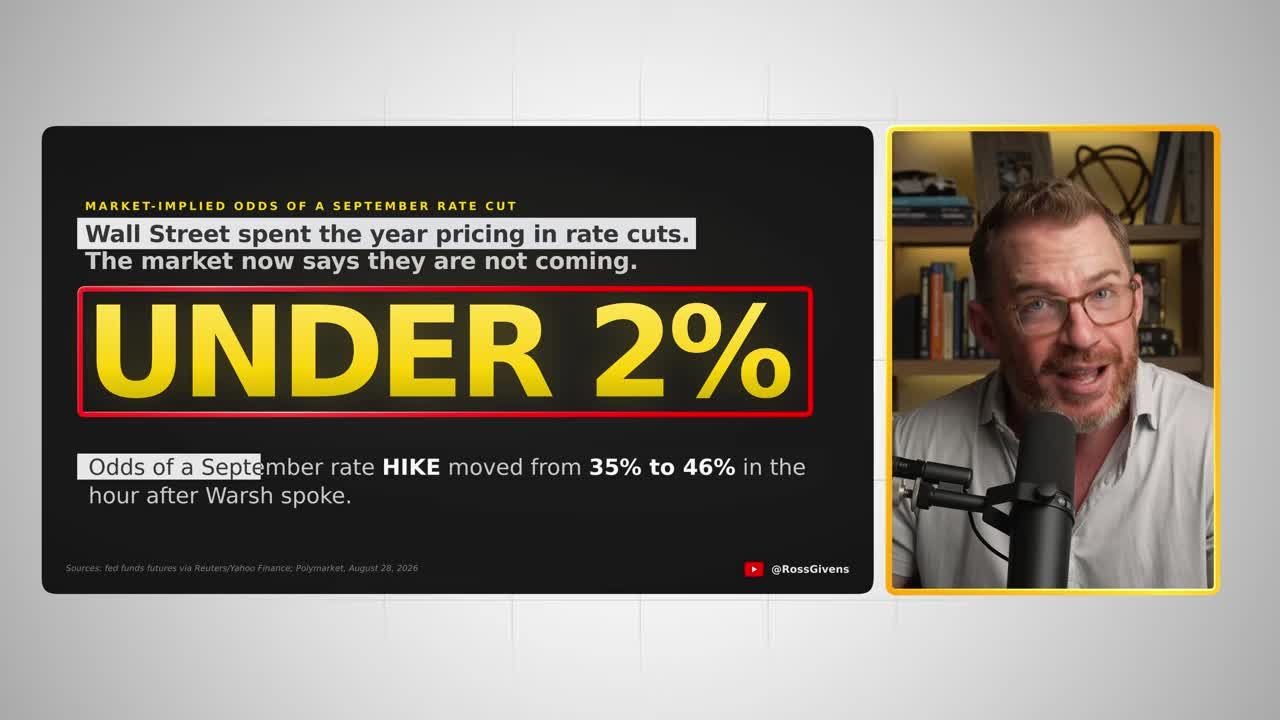
As of Friday, when he spoke, the market put the odds of a September cut at under 2%. In the hour after he started speaking, the odds of a rate hike jumped from 35% to 46%.
He Took the Blame Himself
What did Warsh say to trigger this fed inflation warning? Something almost no public official ever says. He stated plainly that the Federal Reserve is fully responsible for the entire inflation of the last five and a half years.
Sixty-five months, counting backward from August 2026, lands you at March of 2021.
He didn't blame supply chains. He didn't blame COVID. He didn't blame Republicans, Democrats, China, tariffs, or greedy corporations. He blamed the people in his own building.
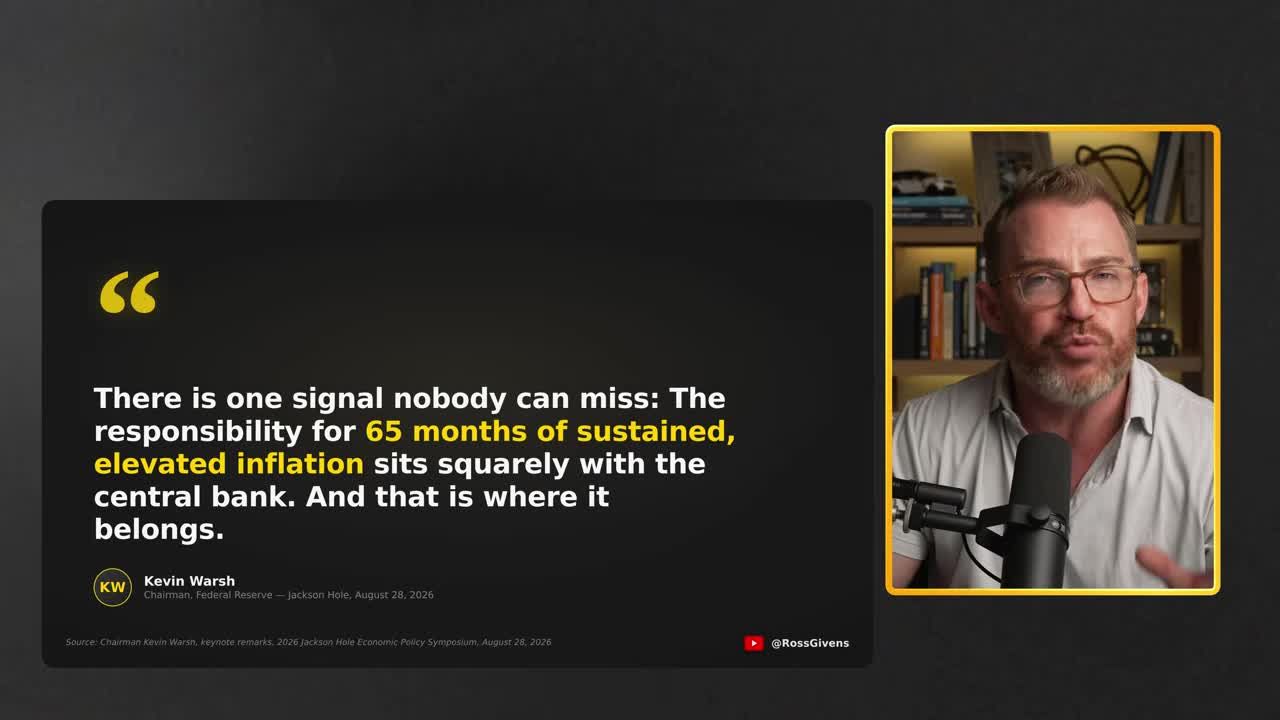
To watch a sitting official take that kind of blame is unheard of. He even footnoted an academic paper titled "An Early Retrospective on Monetary Policy in the Powell Era," a clean line drawn between himself and his predecessor.
This is the start of a new guard. And a man doesn't open his term by owning five and a half years of inflation unless he intends to be the one who ends it.
The Four Numbers That Kill a Cut
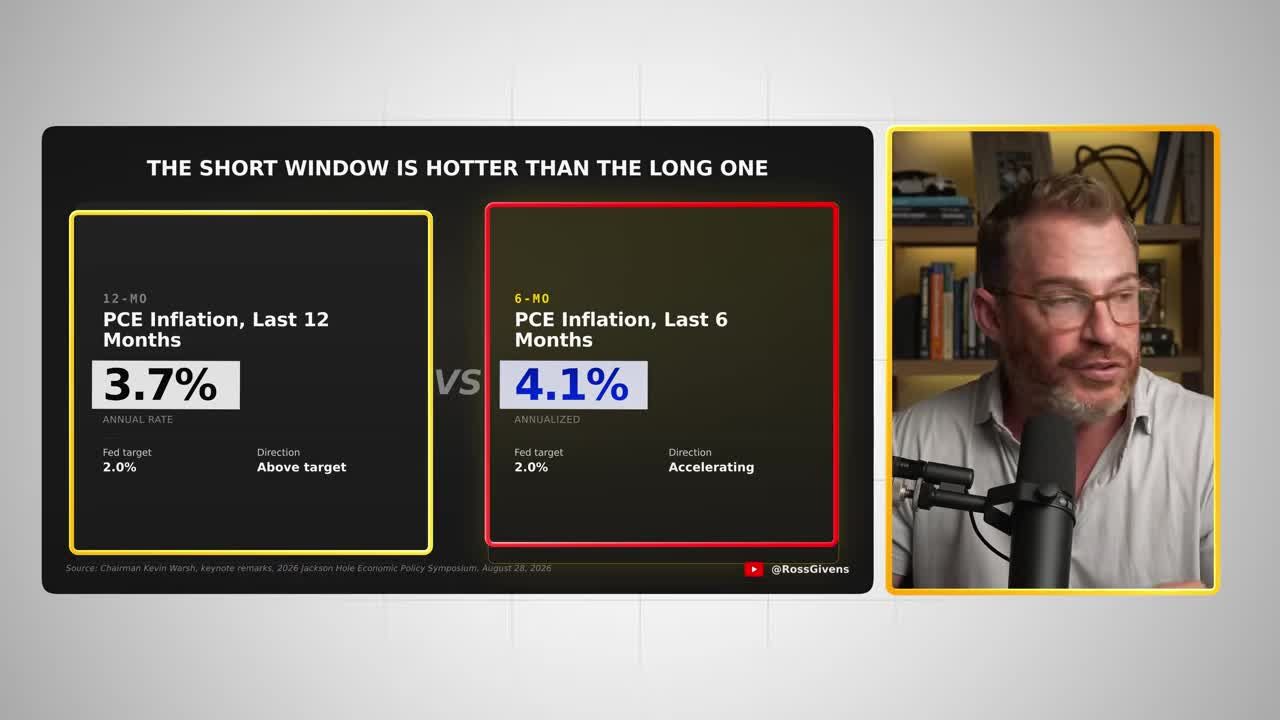
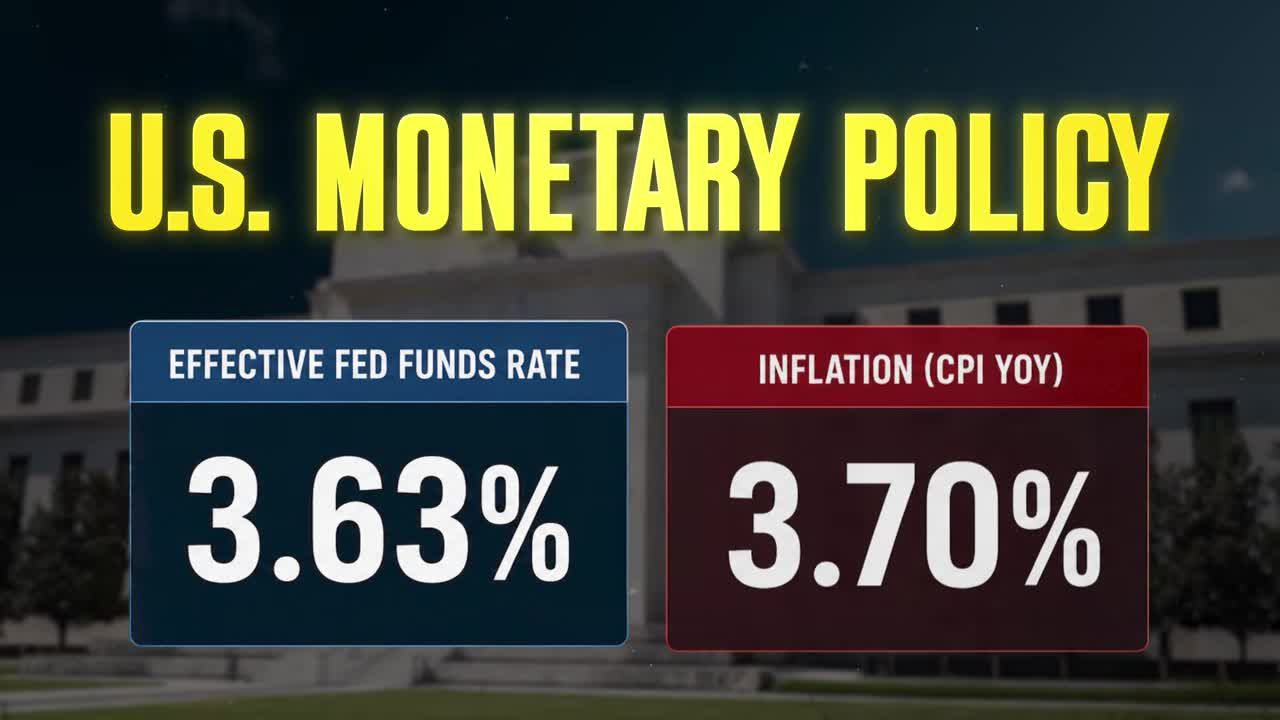
The inflation numbers are worse than the headlines suggest. The Fed's preferred gauge is the PCE price index. It's sitting at 3.7% over the last 12 months. But over the last six months, it's running at 4.1%.
Inflation isn't cooling. It's reaccelerating.
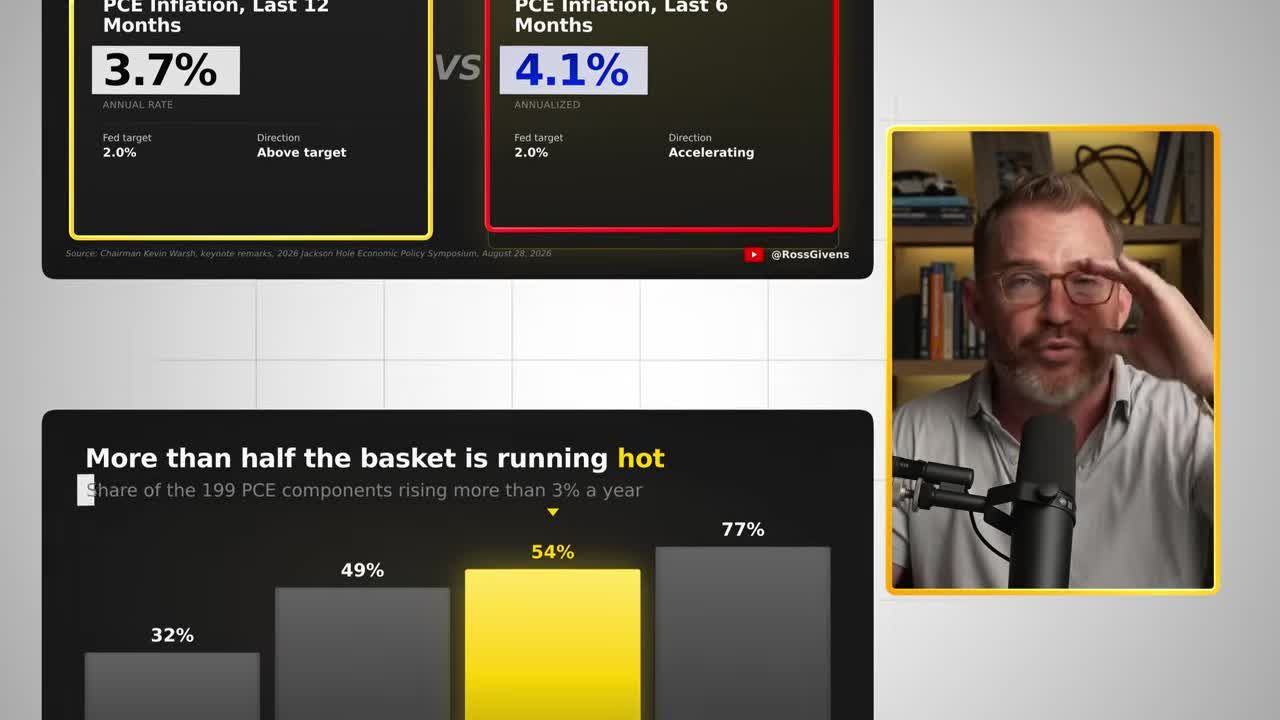
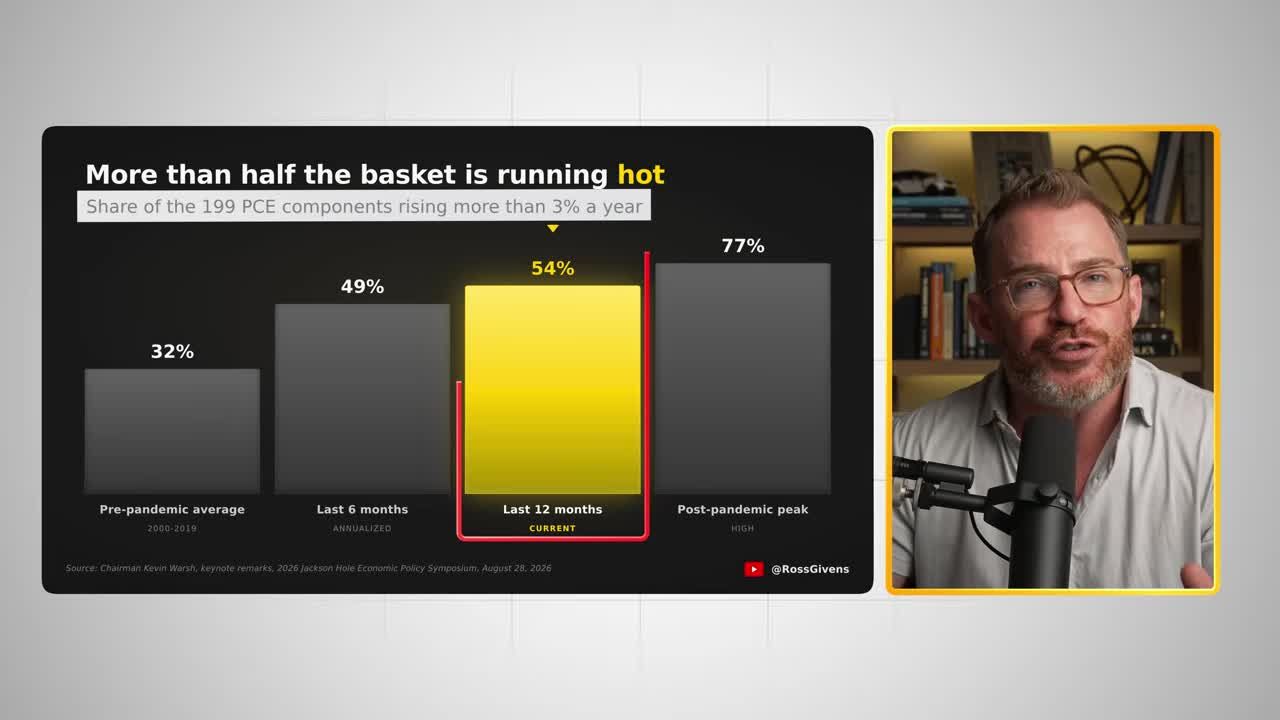
Warsh went further. He broke the PCE basket into its 199 components and counted how many are rising faster than 3% a year. The answer: 54%. More than half of everything you and I buy.
Before the pandemic, that number averaged 30 to 32%.
For four years, every hot print got explained away. It's used cars. It's the chip shortage. It's eggs. It's oil. One oddball category dragging everything up.
That excuse is dead. When more than half the basket is climbing, it isn't the eggs. It's the money.
Financial Conditions Aren't Tight
Could the Fed actually hike? The data says it's possible.
Warsh said he would be hard-pressed to describe financial conditions as restrictive. Translation: monetary policy is not tight, at all. And he brought the receipts.
- Business capital spending on equipment and software is up around 9% over the past four quarters, the fastest since 2021.
- More than half of that spending comes from the AI buildout.
- S&P 500 company profits are up more than 20% in a year.
- Credit spreads sit at the low end of the range.
- Banks told the Fed in July that lending standards are on the easy end.
The restrictive policy Wall Street keeps whining about from its ivory towers is a myth. You can read the Fed's own materials at the Federal Reserve.
Get an entire year of live weekly mentoring sessions, my newsletter, indicators, bonus reports, tons more. Click the link and I'll see you in the next live session.
Join my Black Ops Trading ClubDid Warsh Kill Forward Guidance?
The one move that may matter more than the rate decision.
For almost 20 years, the Fed has told markets in advance roughly what it planned to do. Warsh, who helped introduce that practice during the 2008 crisis, now says it has overstated its welcome and creates ambiguity in the name of clarity.
Back in '08, markets were tanking, so the Fed said: we're going to cut rates, so please, go buy stocks now. That era is done.
He calls it the "hall of mirrors problem."
The stock and bond markets price off what they think the Fed will do. The Fed reads those market prices to decide what it should do. Both go blind at the same time. One hand moves the other.
His fix is aimed straight at Wall Street: stop looking to the Fed for your next trade. For 15 years the play was simple. Guess what the Fed's going to do, front-run it, collect your profits. The cheat sheet is gone.
The Strange Thing the Bond Market Did
The reaction was immediate and unusual. After Warsh spoke, the 2-year Treasury yield rose to just under 4.3%, the highest in a month. That's the market saying: no cuts, maybe a hike, higher for longer.
But the 30-year Treasury yield went down. Not much, but it's back near 5%.
That's backwards. When a central banker sounds hawkish, long-term bond prices usually fall. Instead, they rose.
He earned that credibility on day 100. Powell spent two years chasing it, and personally never deserved an ounce of it.
What You Do Now
1. Accept the End of the Powell Era
The market got hooked on rate-cut-fueled bull runs under Powell. For years that's all Wall Street wanted: bring rates down, keep the money printer running. Those days are over.
2. Prepare for a Focus on Main Street
Warsh is not here to pump Wall Street. His stated goal is to fix, or at least slow, the affordability crisis crippling everyday Americans.
3. Do Not Expect a Rescue
He said unconventional tools should be used sparingly, if at all. He is not riding in to slash rates the first time the stock market has a bad month.
The mortgage market already understands this. The 30-year fixed sits just under 6.7%, much higher than a year ago. That's the real economy telling you what to expect.
The Date That Tests It All
The next Fed meeting is September 15th and 16th, with the rate announcement on the 16th.
Warsh laid out his standard. He must be confident that inflation is moving to target clearly and at sufficient speed. Otherwise, in his words, they have "work to do."
In central bank language, "work to do" does not mean cutting. It means the opposite.
The Rescue Window Is Closing
This is the start of a new order, and this fed inflation warning marks the turning point. Warsh didn't open his term by owning five and a half years of inflation just to walk away from it.
The free ride for Wall Street is over. You have to do your own homework now.
Stop building your portfolio around rate cuts that aren't coming. The rescue window is closing, and the market is about to learn exactly what truly restrictive monetary policy looks like.
Get an entire year of live weekly mentoring sessions, my newsletter, indicators, bonus reports, tons more. Click the link and I'll see you in the next live session.
Key Takeaways
- New Fed Chair Kevin Warsh publicly attributed 65 months of elevated inflation directly to the Federal Reserve at the Jackson Hole summit on August 28th.
- Market-implied odds of a September rate cut collapsed to under 2% after Warsh spoke, while odds of a rate hike jumped from 35% to 46% within the same hour.
- Strategies built around coming rate cuts, including bond fund recovery, mortgage refinancing, and dividend stock re-rating, are now misaligned with the Fed's stated direction.
- Warsh signaled he is not cutting rates to address current economic conditions, marking a potential shift toward genuinely restrictive monetary policy.
DISCLAIMER: Traders Agency does not offer financial advice. The information provided is for educational purposes only and should not be considered financial advice. Traders Agency is not responsible for any financial losses or consequences resulting from the use of the information provided. Trading carries inherent risks and may not be suitable for all individuals. You are advised to conduct your own research and seek personalized advice before making any investment decisions, recognizing the potential risks and rewards involved.
See more from Traders Agency on Google
Make us a preferred source and our market analysis will appear more prominently in your Google Search, Top Stories, and AI results.
Add to Preferred Sources