
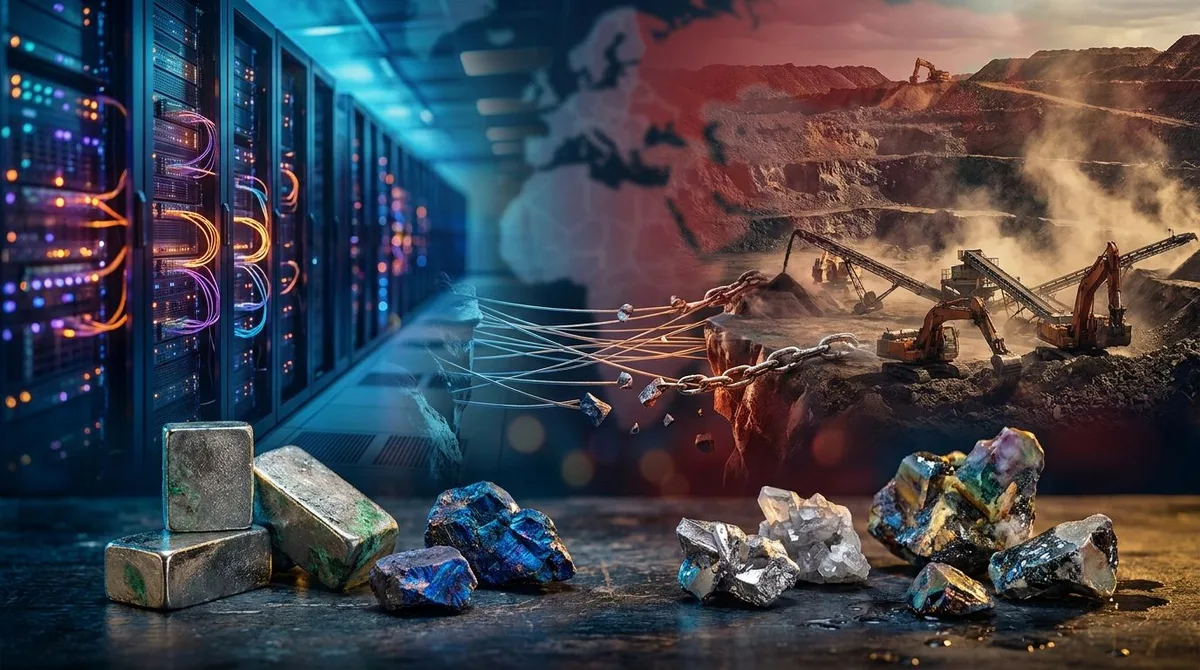
Artificial intelligence is without question the dominant investment theme of the 2020s. It has generated trillions of dollars in new wealth, and it will continue to do so.
But absolutely none of it happens without the physical materials to build the infrastructure. None of this comes to fruition without the specific minerals required to manufacture the hardware.
Therein lies both the massive problem and one of the biggest investment opportunities of the decade.
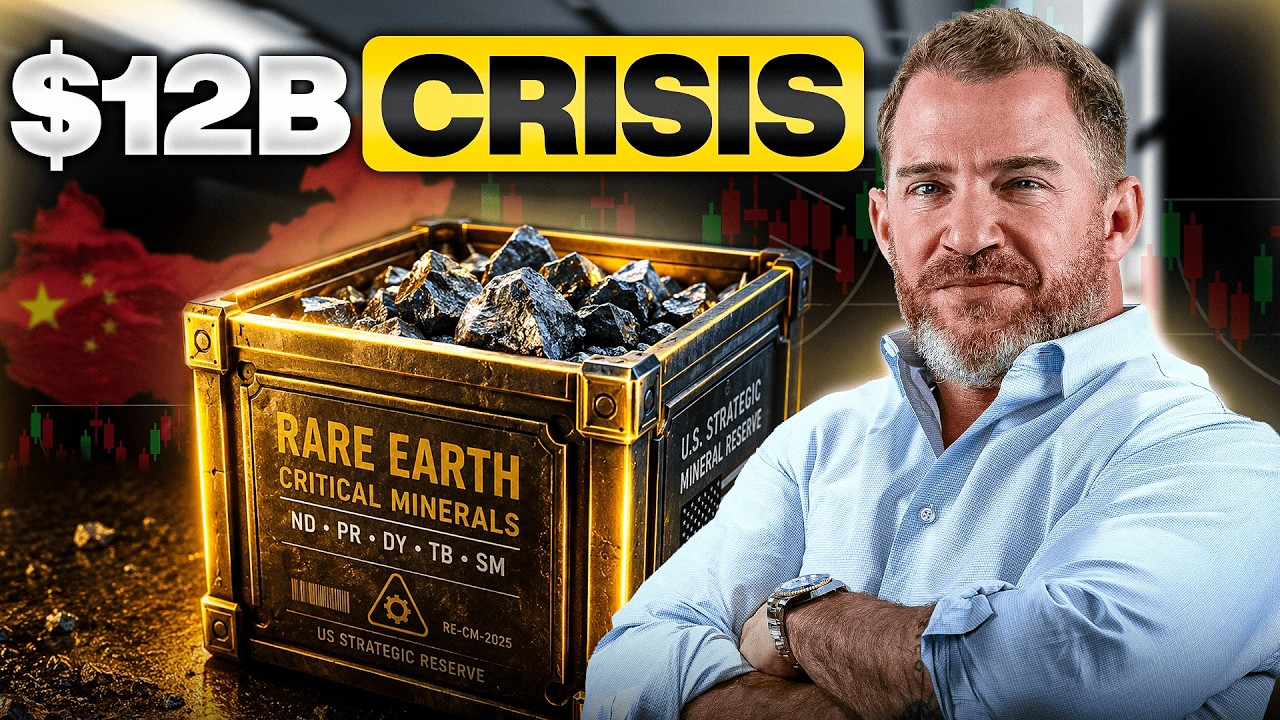
Every single EV battery, every fighter jet, every data center, every cell tower, every AI chip on the planet runs on a specific list of 60 minerals. And right now, one country has a chokehold on the supply.
The United States is actively fighting to break a foreign monopoly. Critical minerals stocks represent the most important structural trade that nobody seems to be talking about, and three specific stocks stand to win as the US fights to break China's grip.
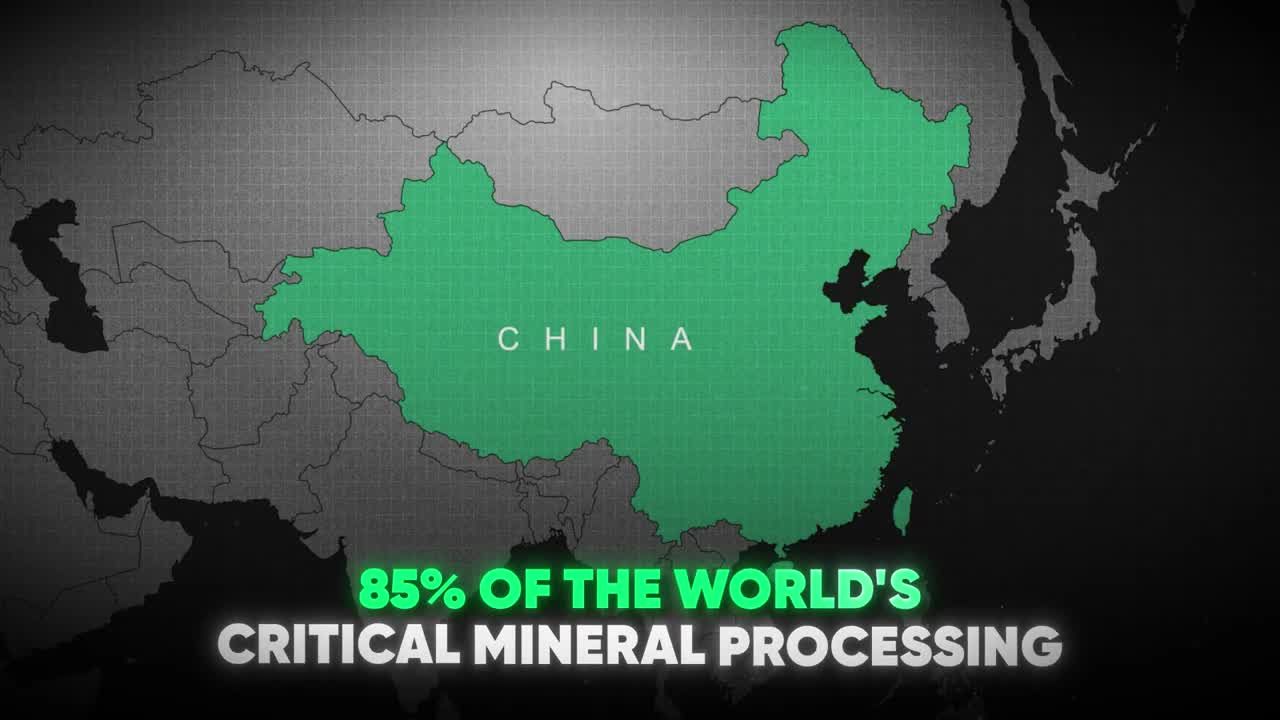
Why Does China Control 85% of the World's Critical Minerals?
Bottom Line: The critical minerals trade is not a speculative bet on a trend. It is a structural shift backed by $12 billion in federal spending and driven by the urgent need to end a single-country monopoly that threatens every major U.S. technology and defense industry. MP Materials and USA Rare Earth are the direct-exposure plays, and REMX offers broader sector confirmation that the move is already underway.
Why the current supply chain is a direct threat to the United States
China currently controls 85% of the world's critical mineral processing. If they cut off the supply of these 60 minerals, the modern economy stops in a week.
This monopoly did not happen by accident.
In 1992, Deng Xiaoping said something the West simply laughed off at the time: "The Middle East has its oil. China has rare earths."
Following that statement, China spent the next 15 years quietly cornering the market. Cheap labor. Lax environmental standards. Massive state subsidies.
The West simply let it go. We outsourced. It was too dirty, too expensive, not glamorous enough for our modern economy.
By 2010, it was over.
We simply do not have the ability to process these materials at scale.
What Makes a Mineral "Critical" to the U.S. Economy?
The United States defines critical minerals as materials essential to national security and economic stability that are vulnerable to supply chain disruption.
The US Geological Survey just expanded the official critical minerals list again. From 35 materials in 2018, to 50 in 2022, to 60 today.
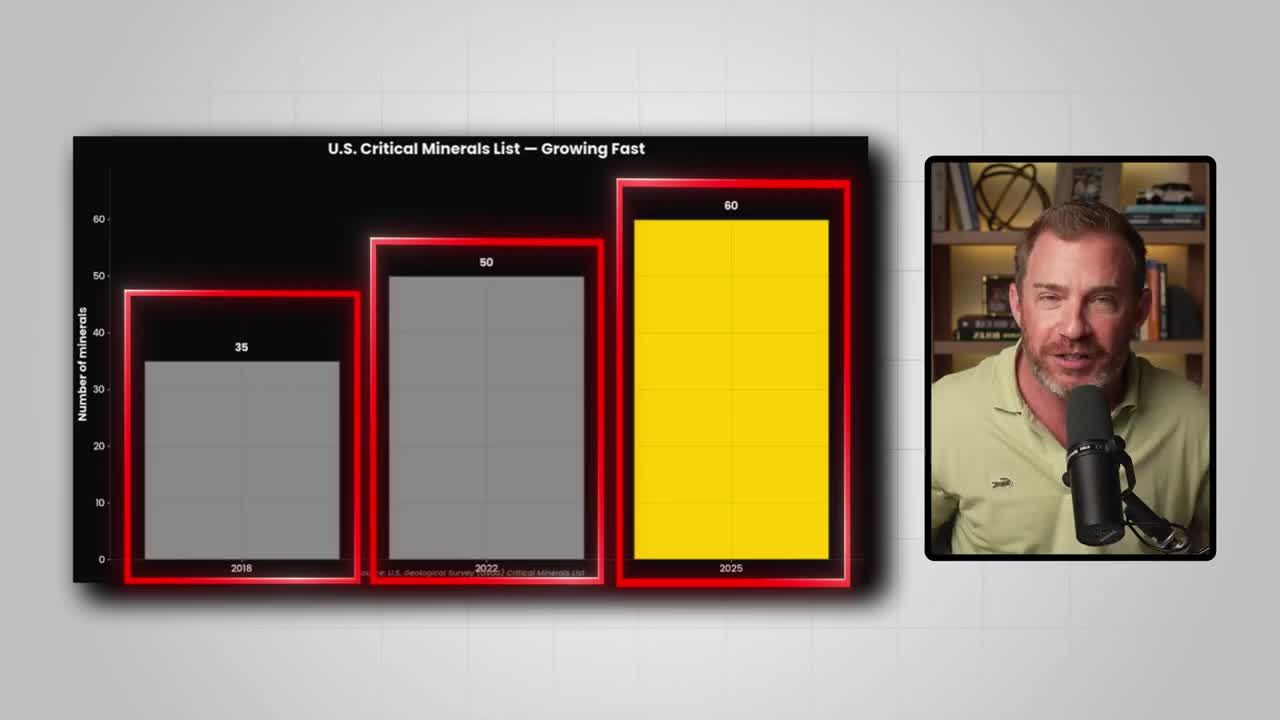
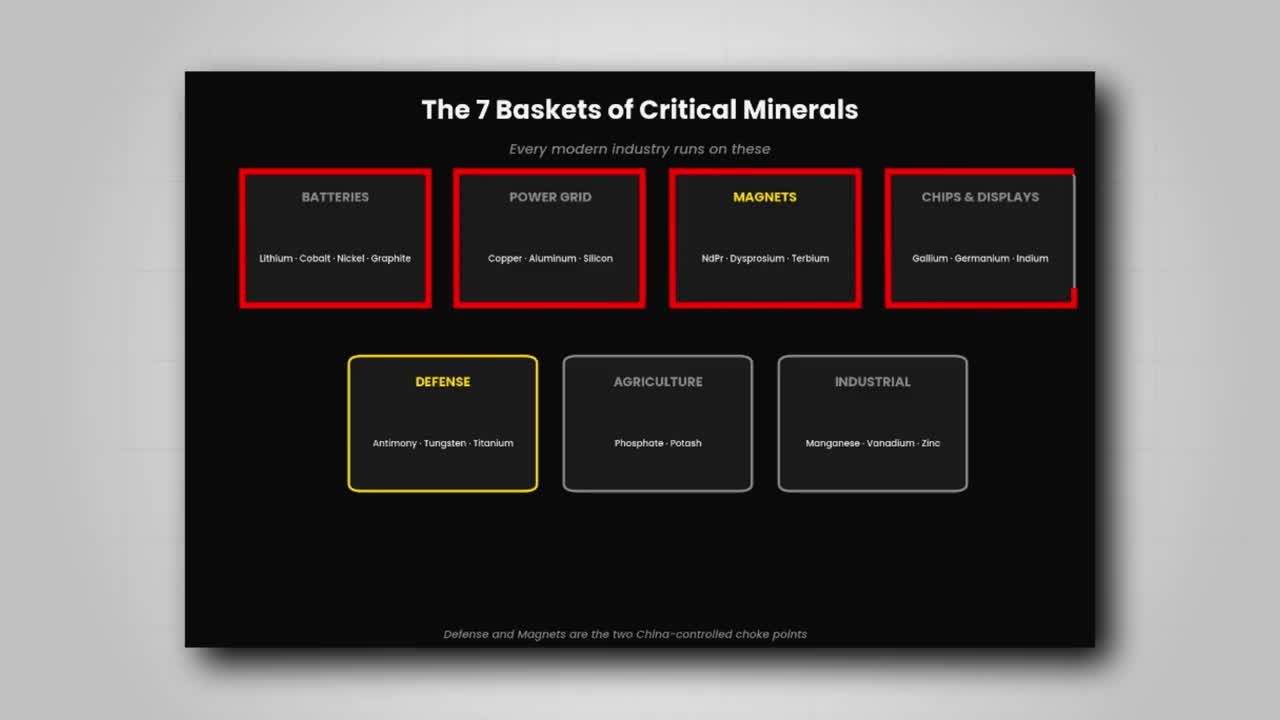
To build the 2025 list, the USGS modeled more than 1,200 supply disruption scenarios. They ranked the minerals by how badly a cutoff would hurt the US economy. They sorted them into seven baskets:
- Batteries, Power Grid, Magnets
- Chips and Displays, Defense
- Agriculture, Industrial
Translation in plain English: every single thing that makes a modern economy run. Your phone, your car, your air conditioner, the fertilizer that grows your food, the fighter jets that protect our airspace.
AI demand, defense demand, and industrial buildout has pushed more of these materials past the danger line.
What Is the U.S. Spending $12 Billion on in Critical Minerals?
How federal money is funding mineral supply chains
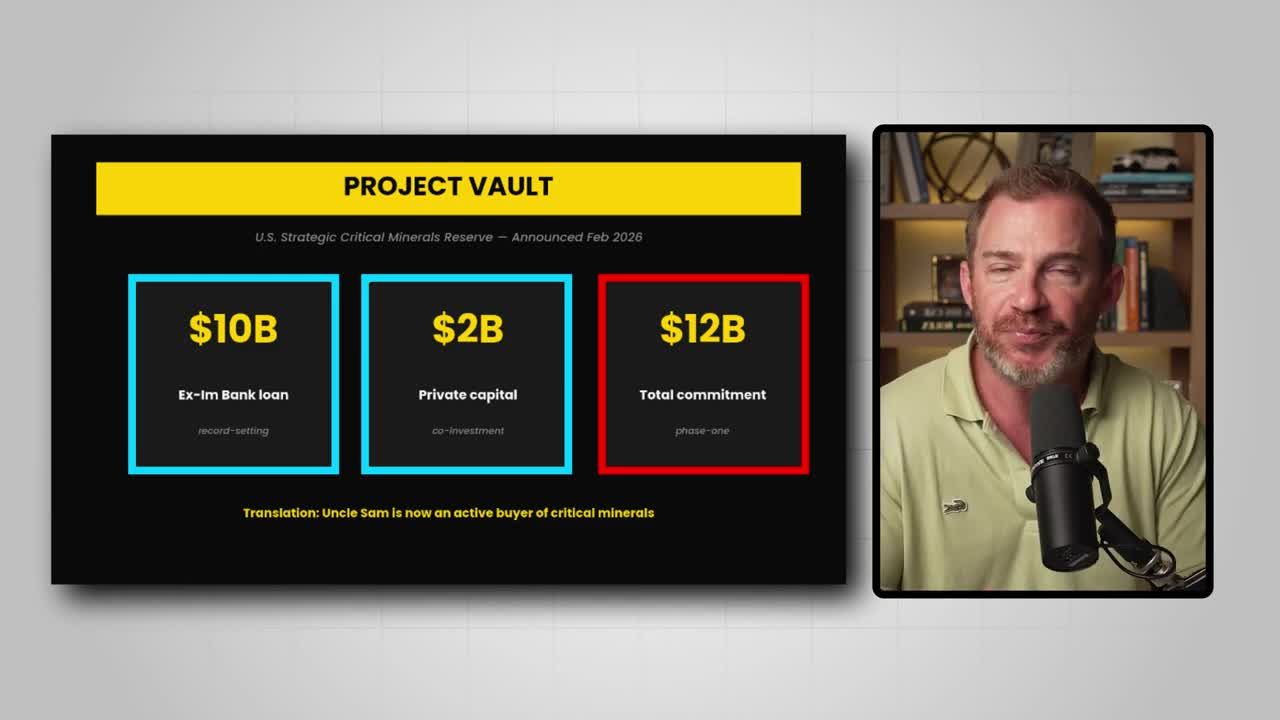
In February of 2026, President Trump finally moved with Project Vault. This is a $12 billion initiative designed specifically to build a United States strategic critical minerals reserve.
This changes the entire dynamic of the market. Uncle Sam is now an active buyer of the stuff.
Personally, I think the free market should be the free market. But nobody asked me.
The reality is that the US government is writing massive checks to establish a domestic supply chain. China spent 30 years quietly building a stranglehold on the most important industrial inputs of the 21st century. The US is finally trying to catch up.
That catch-up requires real money flowing into a small group of publicly traded companies.
Stock #1: MP Materials (MP)
MP Materials runs Mountain Pass, the only large-scale integrated rare earth mine and processing facility in the United States. They mine it. They refine it. They make magnets out of it.
The stuff they produce goes into every EV motor, every wind turbine, even every F-35 fighter jet on the planet.
Here is exactly why MP Materials is special. Last summer, the Department of Defense took a 15% equity stake in the company. They guaranteed a price floor of $110 per kilogram of NDPR for 10 years.
The government is directly backing their cash flow.
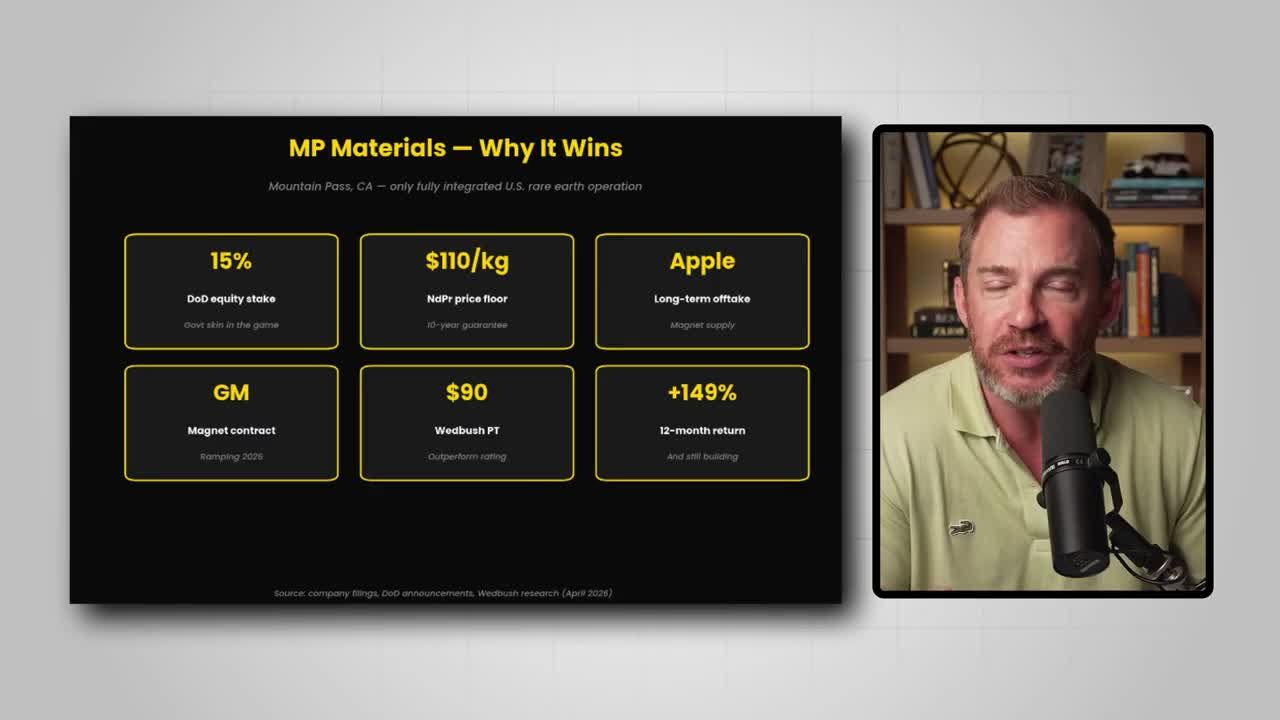
The corporate partnerships are just as strong. Apple is a customer. General Motors is a customer. The company is breaking ground on a second magnet factory in 2026.
Wedbush just slapped a $90 price target on the stock. It is already up 149% for the year, and these guys are always late. The institutional accumulation was happening long before the street caught on. This stock is still trending higher.
Get an entire year of live weekly mentoring sessions, my newsletter, indicators, bonus reports, tons more. Click the link and I'll see you in the next live session.
Join my Black Ops Trading ClubStock #2: USA Rare Earth (USA)
This is where the sector gets interesting. There are two flavors of rare earths: light and heavy. They are not the same trade.
Light rare earths are what MP Materials produces. Important for EVs, wind turbines, consumer tech.
Heavy rare earths are a completely different category. Dysprosium, terbium, yttrium. These go into the highest performance magnets on Earth. Missile guidance, radars, submarines, sonar. Wall Street does not talk about this because the supply chain outside of China is essentially zero.
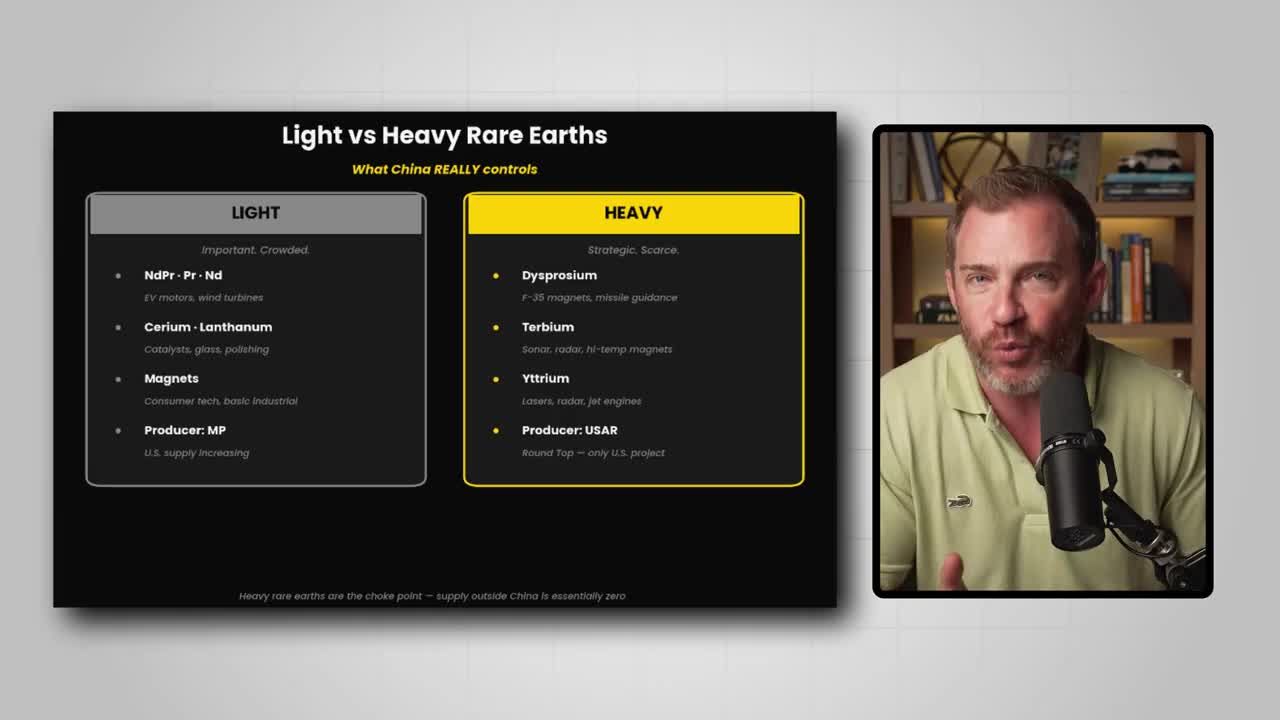
USA Rare Earth is building the only US heavy rare earth project. It is called Roundtop, located in West Texas.
In early 2026, the Trump administration handed them $1.6 billion to build the mine and a magnet factory in Oklahoma. $1.6 billion from Uncle Sam direct. I wish I could get a loan like that.
If MP Materials is the consumer tech rare earth play, USA Rare Earth is the defense rare earth play.
Defense, as we all know, does not care about the price.
This stock has been a volatile little sucker over the last year. It was as high as 44 and as low as 12. But right now, this stock is going straight up.
Stock #3: REMX (The Basket)
For investors who don't want single-stock risk
The VanEck Rare Earth and Strategic Metals ETF (ticker: REMX) holds the entire global rare earth complex in one basket. Mining, processing, magnet production. The whole supply chain in one ticker.
You get MP Materials. You get Lynas. You get the entire global complex.
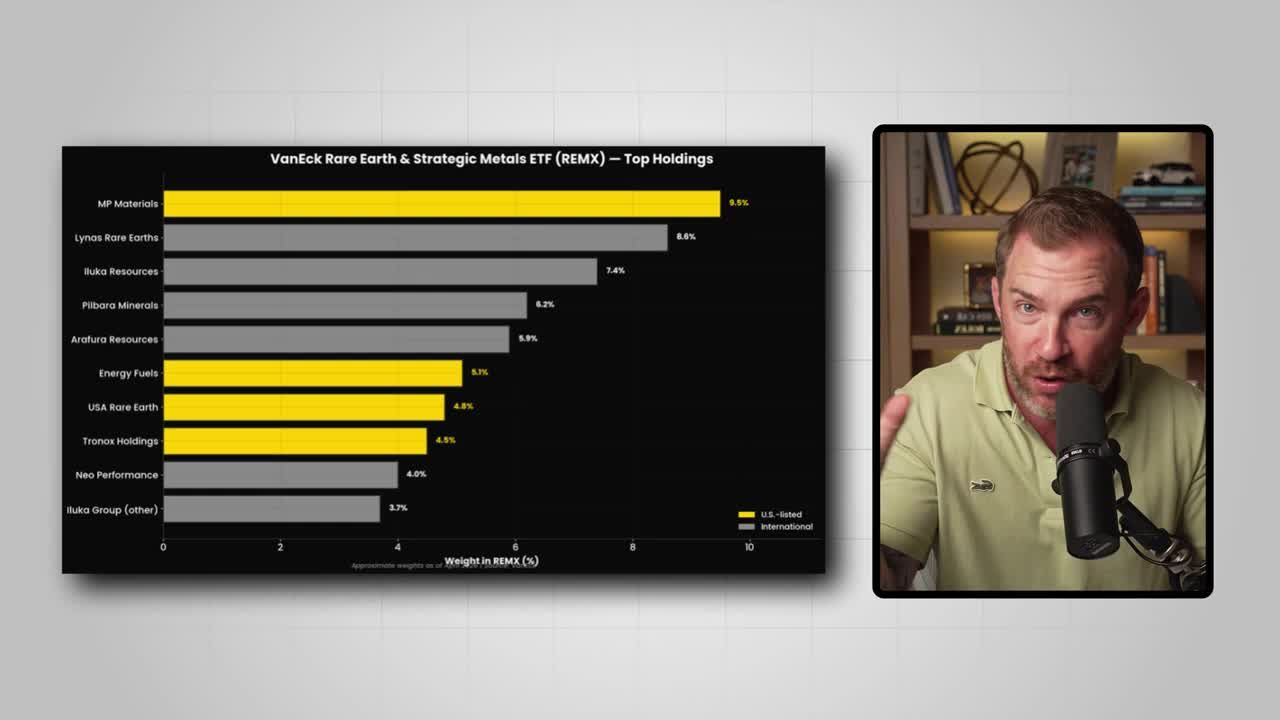
I own this in my retirement account because it removes the operational risk of individual companies. You are not betting on one mine getting its permitting on time. You are not betting on one factory ramping up on schedule. You are just betting on the whole macro thesis.
And this macro thesis has Project Vault, the Department of Defense, the Pentagon, and the 60-mineral USGS list all pulling in the same direction.
The daily chart of REMX trades extremely well. You get these nice strong bursts of strength. The price then goes into a quiet, compressing consolidation phase. Breakout, and it runs again. In one case, the ETF ran from 60 to 90. Nice big clean consolidation pattern, then broke out again.
There was a temporary disruption when the Iran situation shot everything down across the markets. If that had not happened, the chart would have maintained its upward structure.
REMX is breaking out into new highs today.
The Demand Side Is Locked In
Chamath just dropped a 103-page deep dive on this exact situation. His take is stark. I will quote him directly: "We are still completely underestimating how short we are in terms of the global demand and supply dynamics."
The AI sector will continue to generate trillions of dollars in new wealth over the 2020s. Every single data center and AI chip requires these specific materials to function. The defense sector will continue to demand high-performance magnets for missile guidance and submarines.
The supply side is where the massive investment opportunity sits. The catch-up requires real money flowing into a small group of publicly traded companies. For investors looking to position ahead of this trend, critical minerals stocks offer one of the clearest structural setups in the market today.
The Bear Case: China Floods the Market
If China weaponizes export controls, which they have already started doing to some extent, every single name in the REMX ETF goes higher. Western producers become the only game in town.
But the actual bear case for critical minerals stocks is the opposite scenario. China decides to flood the market with cheap rare earths to crush all these emerging Western producers.
They have done it before. Back in 2014, China sandbagged prices for years to keep us out, to keep control.
If they did flood the market again, it would create cheap supply and lower margins. MP and USA Rare Earth would get squeezed before they can really scale up.
But here is the difference between 2014 and today: we have never had this level of government involvement in this space before.
The Multi-Year Structural Rebuild
This is not a short-term trade. The transition away from Chinese processing dominance is a multi-year structural rebuild.
The United States is finally funding its own supply chain, and the dollars are flowing directly into a select few publicly traded companies.
This group of critical minerals stocks has been pretty quiet over the last few months while the US dealt with the Iran situation. But now they are moving. REMX is making new all-time highs.
I expect this entire group to be materially higher 12 to 24 months from now.
If you get in early and you get in heavy, this is the kind of structural trend that pays for the Aspen house. Just follow the trend and watch where the dollars are flowing.
Get an entire year of live weekly mentoring sessions, my newsletter, indicators, bonus reports, tons more. Click the link and I'll see you in the next live session.
Key Takeaways
- China controls 85% of global critical mineral processing, covering 60 minerals required for EVs, AI chips, data centers, fighter jets, and cell towers.
- The U.S. government has committed $12 billion to break China's supply chain monopoly on critical minerals, creating a direct policy tailwind for domestic producers.
- REMX, the rare earth and critical minerals ETF, is making new all-time highs, signaling institutional money is already rotating into this sector.
- MP Materials (MP) and USA Rare Earth (USA) are the two named stock picks positioned to benefit directly from U.S. reshoring of critical mineral supply chains.
- The 12 to 24 month price outlook for this group is materially higher, with the thesis rooted in government spending mandates rather than speculative demand.
DISCLAIMER: Traders Agency does not offer financial advice. The information provided is for educational purposes only and should not be considered financial advice. Traders Agency is not responsible for any financial losses or consequences resulting from the use of the information provided. Trading carries inherent risks and may not be suitable for all individuals. You are advised to conduct your own research and seek personalized advice before making any investment decisions, recognizing the potential risks and rewards involved.
See more from Traders Agency on Google
Make us a preferred source and our market analysis will appear more prominently in your Google Search, Top Stories, and AI results.
Add to Preferred Sources