
Hey, Ross here:
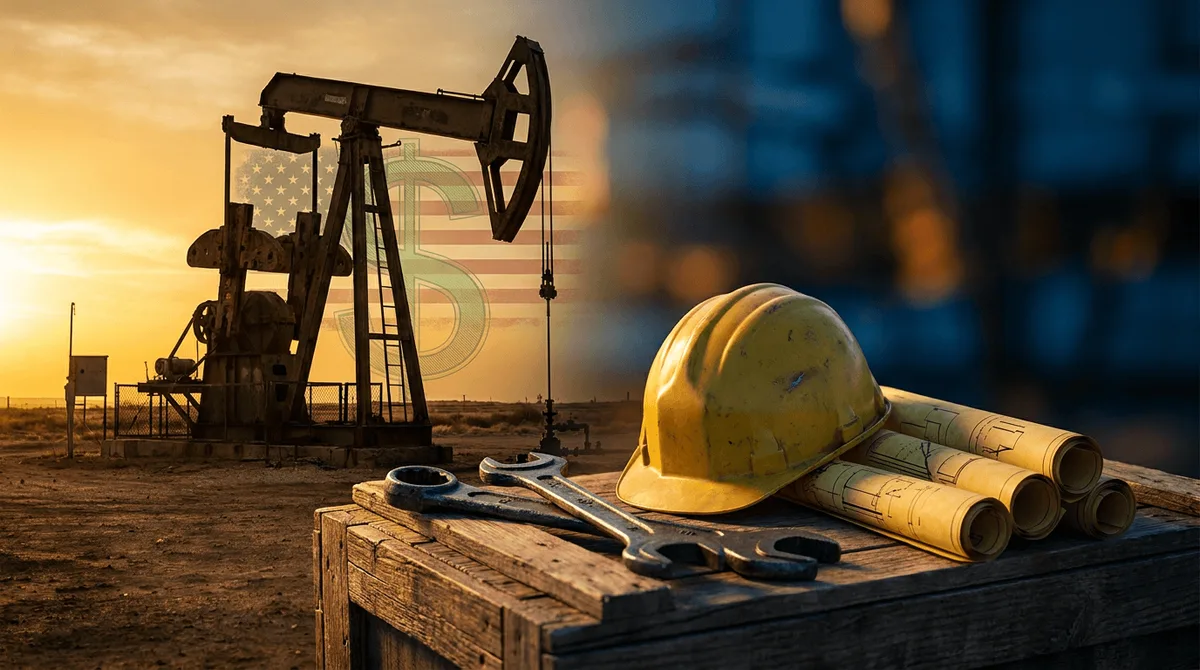
The Trump Venezuela oil deal isn't the oil trade everyone thinks it is. The real money isn't in crude. It's in the companies that show up with the wrenches, the reservoir studies, and the power equipment needed to make 65 billion barrels of stranded oil actually usable.
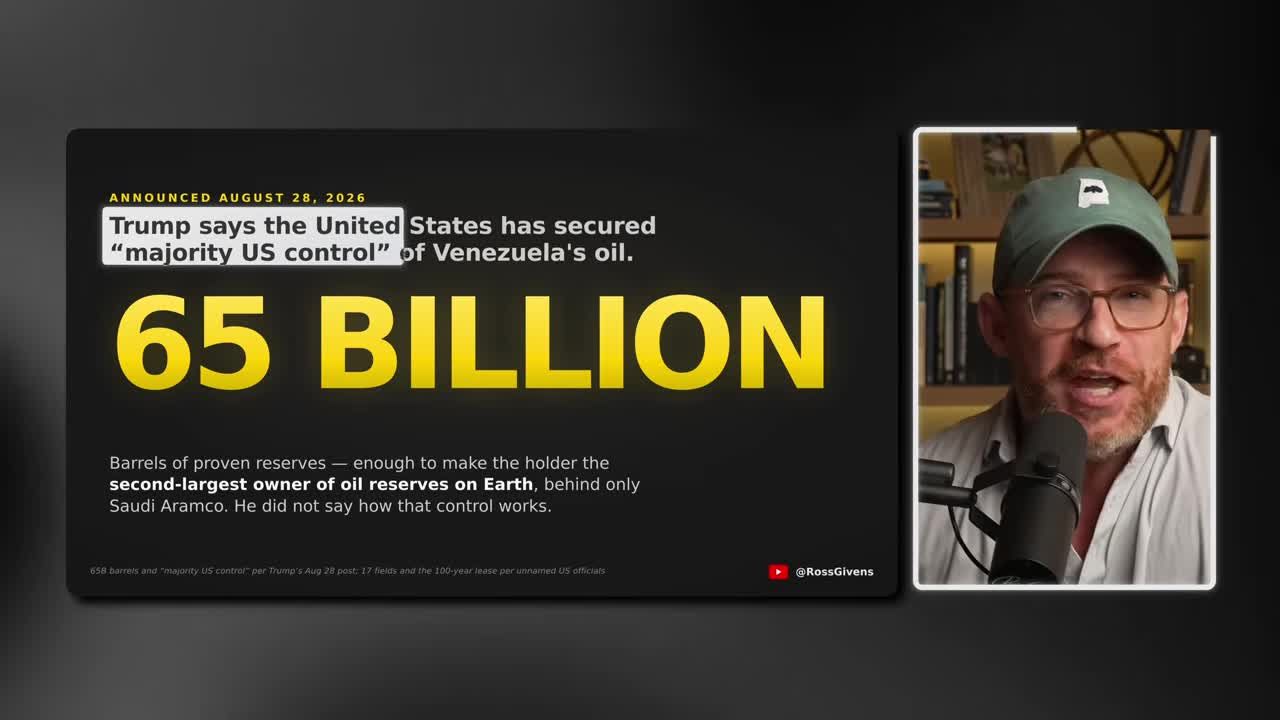
On Friday, August 28th, President Trump announced the United States is taking control of 65 billion barrels of Venezuelan oil across 17 oil fields, under a 100-year lease, with 55% of the output coming to the United States.
Crude prices didn't move an inch.
That single fact tells you everything about how this deal is structured and who actually stands to profit from it.
I've been tracking this story since January, and the pattern playing out now is the same one I flagged back then. This time there's a specific stock positioned to benefit from a $13.6 billion acquisition that almost nobody noticed.
What the Deal Actually Says
A 55% headline that falls apart on inspection
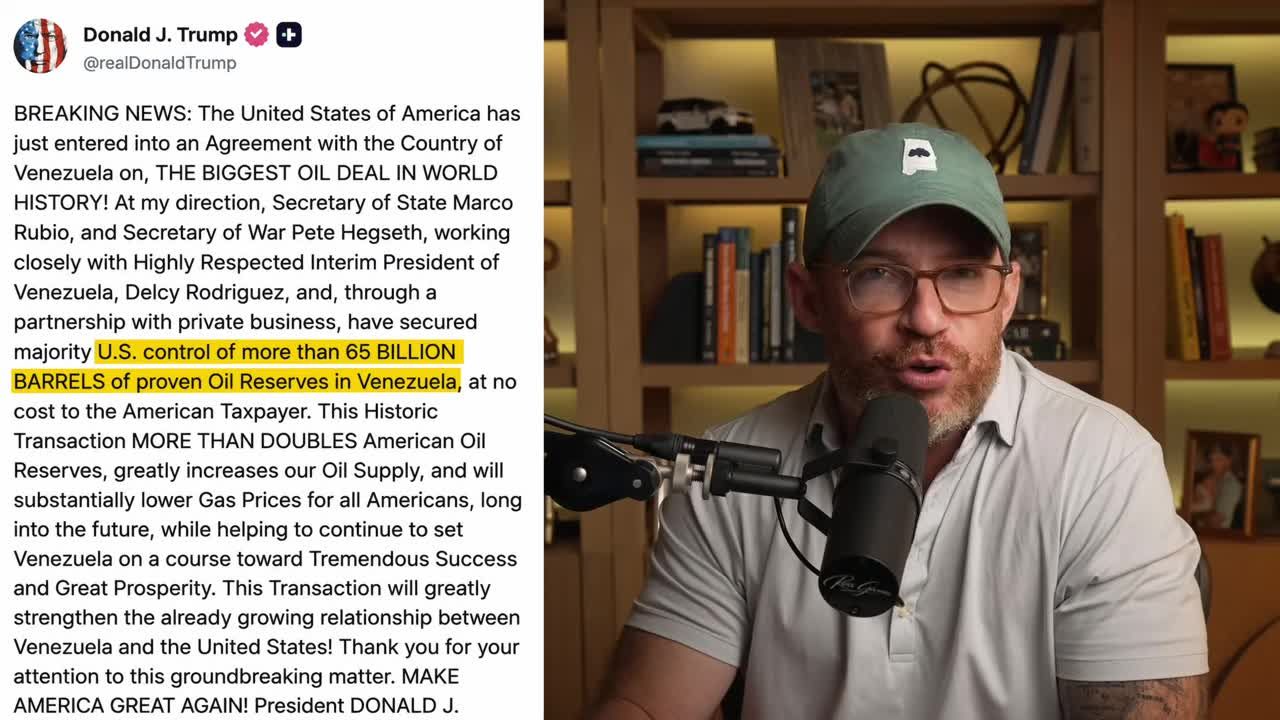
The administration claims majority US control over more than 65 billion barrels of proven reserves across 17 fields, under a 100-year lease, with a press release citing 55% of the "effective output" of a new joint venture. If that holds, the company sitting on those fields becomes the second largest owner of oil reserves on the planet, trailing only Saudi Aramco.
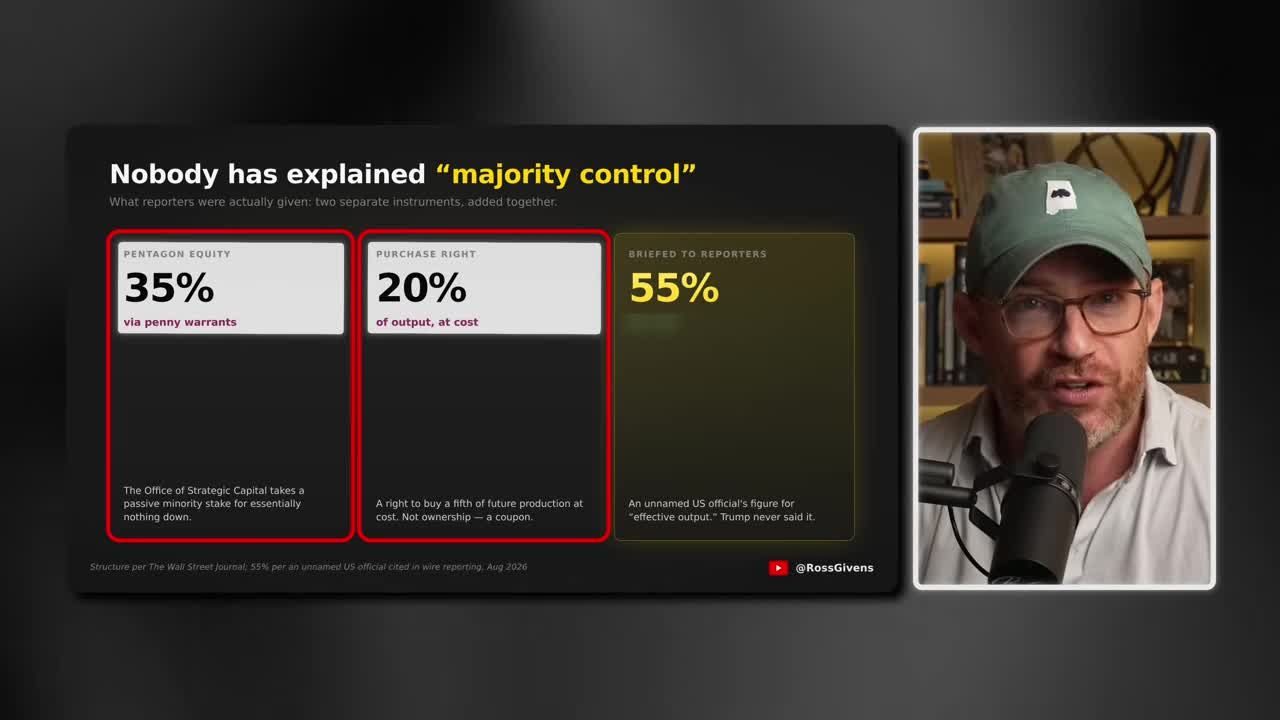
The 55% number is misleading. According to the Wall Street Journal, the deal breaks into two separate pieces:
- The Pentagon's Office of Strategic Capital takes a 35% stake, but through penny warrants. The US government gets a third of the oil company for essentially nothing down.
- Washington separately gets the right to buy 20% of everything the company produces at cost.
Add 35 and 20 and you get 55. That's where the headline came from.
It isn't ownership in any traditional sense. It's a warrant that carries control, paired with a purchase option. Stitch them together, drop the sum into a press release, and you get a number that sounds far bigger than what's on the table. That structure is the first clue that the Trump Venezuela oil deal is not what the headline suggests.
Why the Majors Said No to the Trump Venezuela Oil Deal
A Pentagon financing office doesn't normally run oil deals. It's involved here for one reason: the oil companies refused.
ExxonMobil walked. ConocoPhillips walked. Exxon's CEO has called the country "uninvestable," and he has good reason. They were expropriated in Venezuela back in 2007. The government took their assets and they're still owed.
That's not a risk a major will take, no matter how big the reserve figures look on paper. With the majors out, Washington needed somebody who would say yes.
The Partner Nobody Will Name
That somebody is Alejandro Bettincort, who controls a company called North American Blue Energy Partners. In roughly two years he built it into the second largest private oil producer in Venezuela, pumping around 200,000 barrels a day. He's the one holding the 17 fields at the center of this deal.
The White House still hasn't said his name out loud. Here's why.
- He was investigated in Spain over allegedly embezzling hundreds of millions of dollars from PDVSA, Venezuela's state oil company.
- In the United States, federal prosecutors named him conspirator 2 in a case involving $1.2 billion. His own business partner was indicted.
- Switzerland was investigating him for money laundering.
Then, over the last few months, three things happened. Spain threw out its case. US prosecutors decided not to charge him. Switzerland cancelled its extradition order, at the request of the White House.
This is not a normal transaction. It does tell you exactly how badly Washington wanted this thing signed.
Get an entire year of live weekly mentoring sessions, my newsletter, indicators, bonus reports, tons more. Click the link and I'll see you in the next live session.
Join my Black Ops Trading ClubThe Market Bought the Wrenches
Let me be precise here, because plenty of people are about to get this trade wrong. These fields are undeveloped. No serious person thinks they produce meaningful barrels for several years. Venezuela pumps about a million barrels a day today against a peak north of three million.
This deal is not bringing gas prices down this year. Treat the Trump Venezuela oil deal as an oil-supply story and you've missed the point entirely.
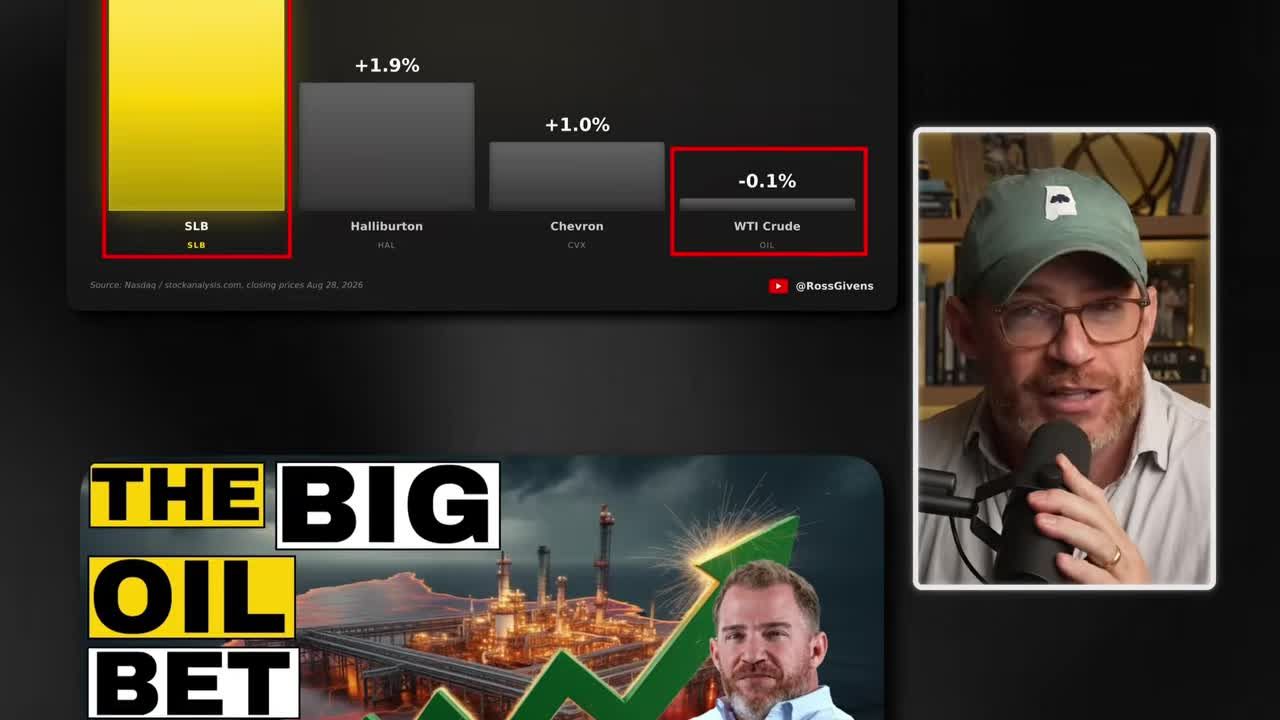
Now watch what the tape did on Friday. Crude oil did nothing. Schlumberger went up 4.2%.
The market didn't buy the oil. It bought the guys with the wrenches.
The trade I gave you in January
Back on January 9th, following the capture of Maduro, I laid out the case that a rebuild was coming and that it had nothing to do with the price of oil. Three companies would get paid to do the work: Halliburton, Baker Hughes, and Schlumberger. I gave you call options on those names expiring in December so we could hold and let it play out.
Schlumberger more than doubled. Baker Hughes more than doubled. Halliburton didn't win, but it didn't lose either.
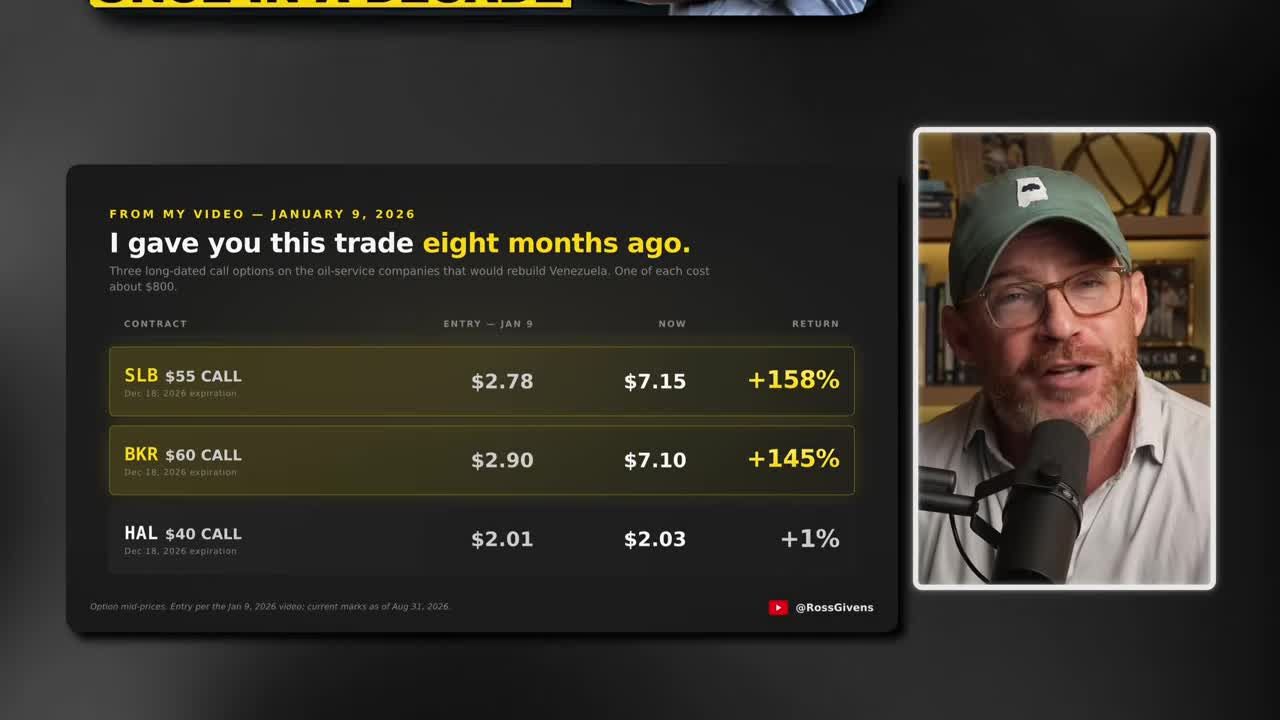
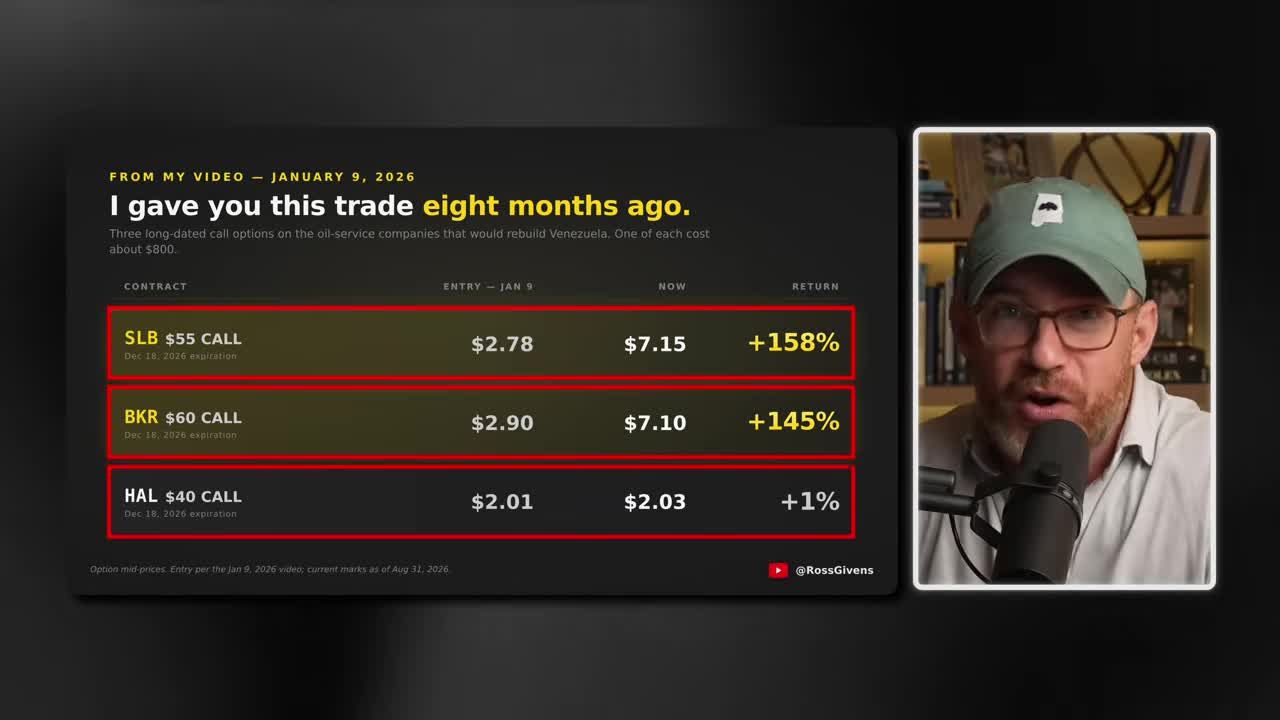
That trade has largely played out. There's a new one now, and it's built on a piece of business almost nobody noticed.
Why Baker Hughes Is the Only Solution
Six weeks before the deal was announced, on July 16th, Baker Hughes closed a $13.6 billion acquisition of Chart Industries. Almost nobody was paying attention.
That deal handed Baker Hughes an entirely new business segment built on $4.3 billion of revenue: compression trains, cryogenic gas processing, industrial gas handling.
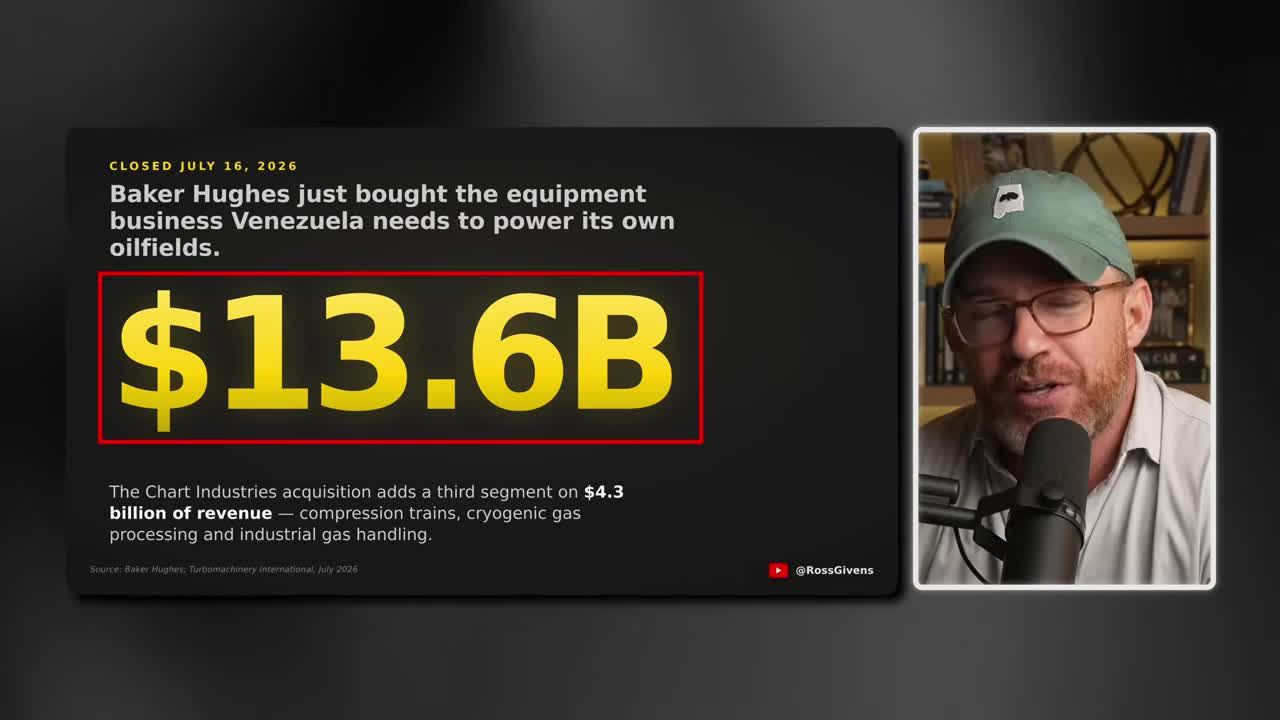
Here's why that matters in Venezuela, and it's the part you need to hear.
You cannot restart an oil industry in a country that can't keep its own lights on.
Venezuela's power demand peaked at 15,575 megawatts this year, the highest in a decade. The grid is only producing about 13,000 megawatts. Demand already exceeds supply.
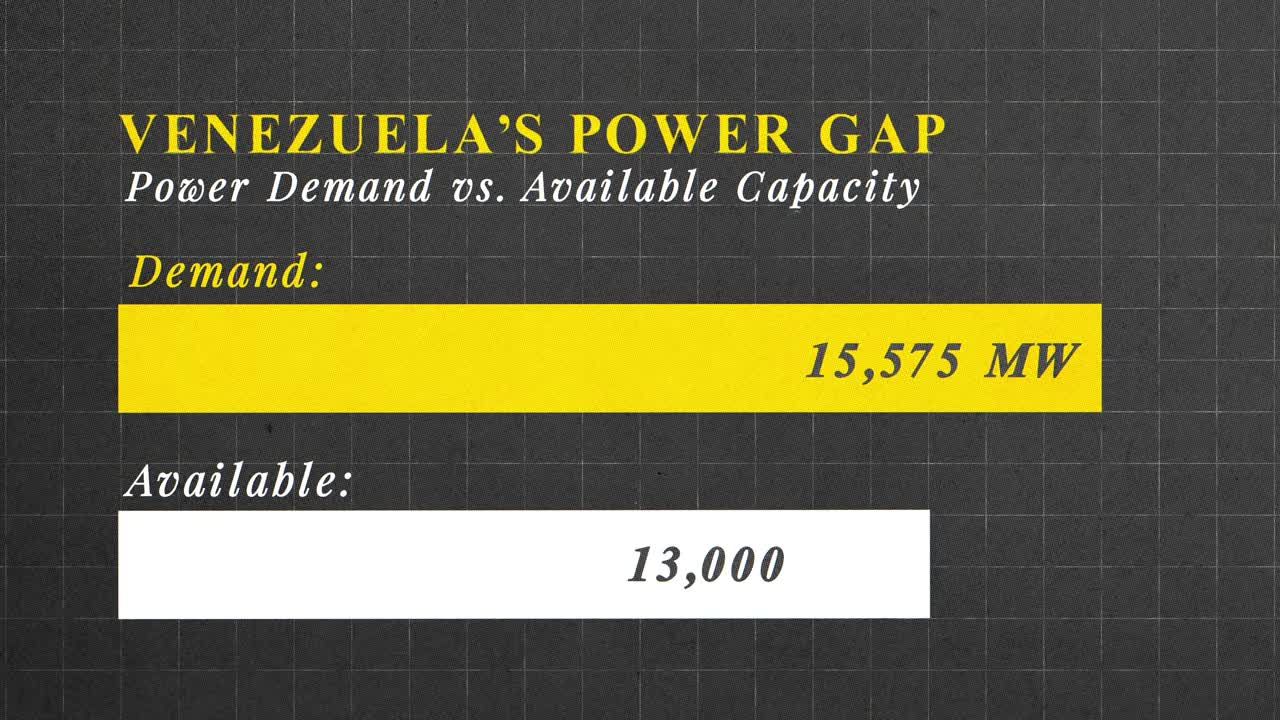
Zulia and Merida were running seven-hour daily outages this year. Roughly 90% of Venezuelans see routine outages. You cannot run pumps, compressors, desalination units, or control rooms on power like that.
The fix is sitting right underneath the fields. Venezuela has around 200 trillion cubic feet of natural gas, much of it coming up with the oil and getting burned off into the sky. Gather that gas, compress it, clean it, and burn it on site, and you make your own power.
Compression and gas processing. That is precisely the business Baker Hughes just bought.
Where the stock can go
Wall Street's average price target for Baker Hughes sits around $72, roughly 14% above where it trades now. I think that's low. If real contract awards start landing in Venezuela, I think Baker Hughes is a hundred-plus-dollar stock over the next 12 months.
It's also been the laggard of this group all year, still about 10% below its 52-week high while Schlumberger sits at its highs. That gap is the whole reason this is the name to watch instead of chasing one that already ran.
Schlumberger signed an agreement on August 19th to run reservoir studies across the entire country, and it collects on that study whether or not one single barrel ever comes out of the ground. Great business. I still like the company. The trade there has already been made this year.
October 22nd Is the Line
Here's what I'm watching. Baker Hughes reports third-quarter earnings on October 22nd.
That's the first quarter where Venezuela either shows up in the order book with a real number attached, or it doesn't.
If it does, everything above gets a lot more expensive in a hurry, and it gets priced into the stock. If these companies get all the way through October and we hear nothing about Venezuela, then this was a press release, and it's unlikely to get priced into any of these stocks this year.
Trade the Wrenches, Not the Barrel
The Trump Venezuela oil deal is a lesson in reading what the market does instead of what a headline says. A 55% ownership claim sounds enormous. Underneath it is a penny-warrant stake and a purchase option, added together for a press release. The majors looked at this country and walked, which is exactly why a Pentagon financing office and a controversial private operator ended up filling the gap.
None of this moves crude prices this year. What it moves is the companies that get paid regardless of when, or whether, the oil ever flows.
Baker Hughes sits at the center of that story now, holding a $13.6 billion acquisition that handed it the exact equipment business Venezuela needs to power its own oil fields.
October 22nd tells you whether this turns from theory into real order flow. Until then, this is a story to position for, not react to after the fact.
Get an entire year of live weekly mentoring sessions, my newsletter, indicators, bonus reports, tons more. Click the link and I'll see you in the next live session.
DISCLAIMER: Traders Agency does not offer financial advice. The information provided is for educational purposes only and should not be considered financial advice. Traders Agency is not responsible for any financial losses or consequences resulting from the use of the information provided. Trading carries inherent risks and may not be suitable for all individuals. You are advised to conduct your own research and seek personalized advice before making any investment decisions, recognizing the potential risks and rewards involved.
See more from Traders Agency on Google
Make us a preferred source and our market analysis will appear more prominently in your Google Search, Top Stories, and AI results.
Add to Preferred Sources