


Hey, Ross here:
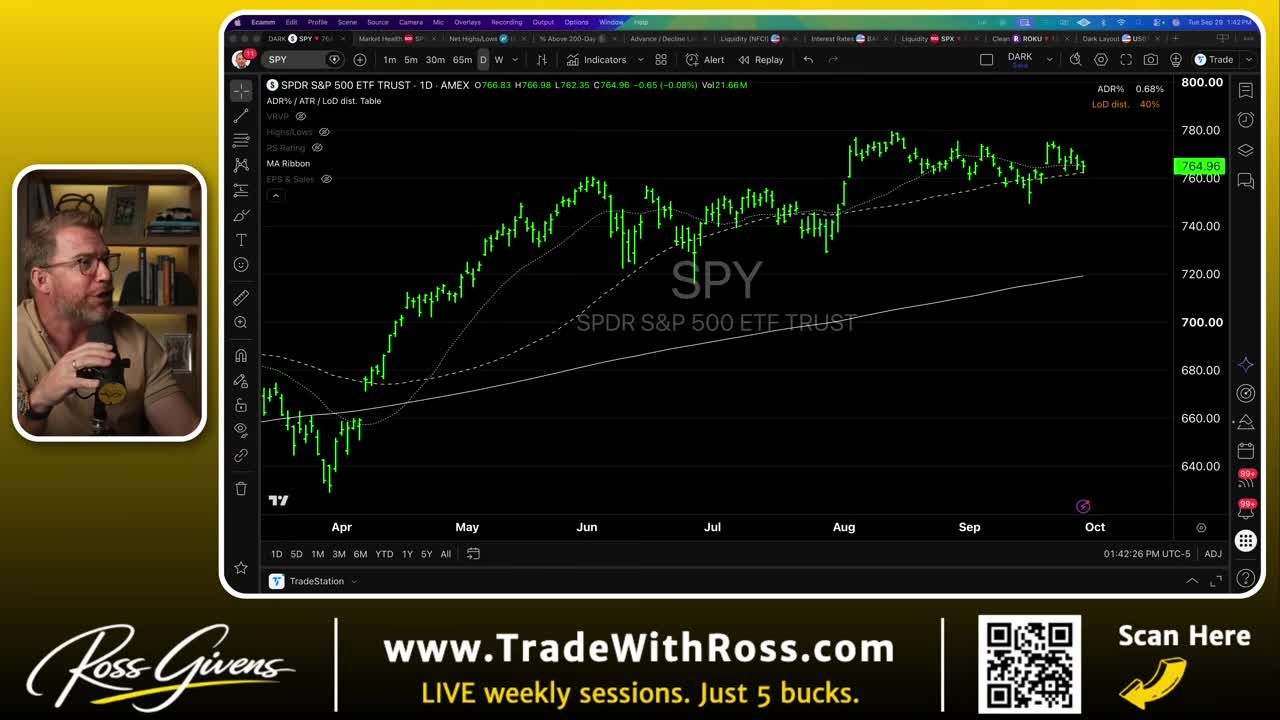
The S&P 500 looks fine on the surface, sitting only 2% off all-time highs. The NASDAQ looks even stronger, parked right near its highs. Strip away the market cap weighting, though, and a very different picture shows up underneath.
The bond market is falling apart. Yields are surging. Breadth is quietly collapsing while the headline indexes hold near their highs. And underneath all of it, one group refuses to break down. The strongest stocks now sit inside it, and I put new money into two of those names.
Where Are the Strongest Stocks Now?
Bottom Line: Beneath a market showing surging bond yields and collapsing breadth, memory and storage stocks stand out as the strongest stocks now, ranking near the top across nearly every timeframe. Micron and SanDisk are holding key support and pushing toward breakouts, making them the two names worth watching while the broader market rolls over.
One group keeps showing up at the top of every list
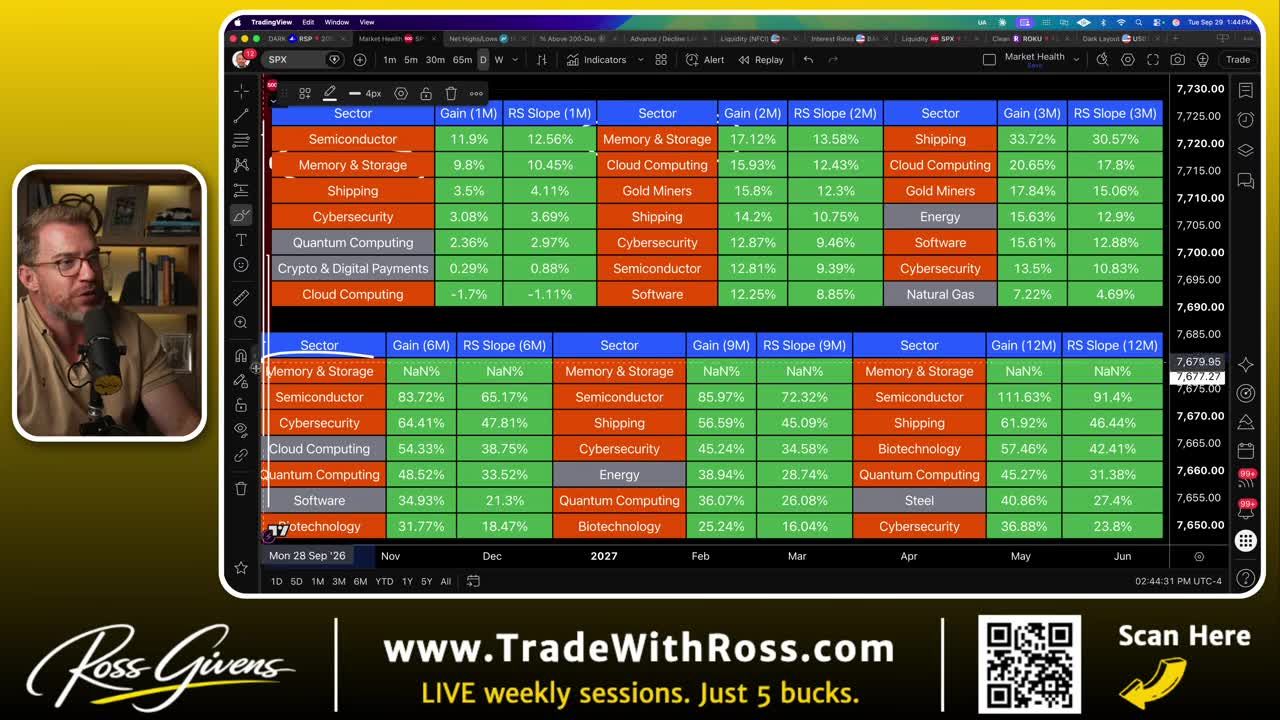
The strongest stocks now are concentrated in memory and storage. That group sits near the top of performance rankings across one, two, six, nine, and twelve month periods, even as the broader market weakens. Consistency like that across multiple timeframes isn't noise. It's relative strength, and it's the clearest signal in the current tape.
Two names stand out inside the group: Micron (MU) and SanDisk (SNDK). Both are holding support and pushing toward breakouts while the equal weighted index rolls over beneath them. I just entered both.
The demand driver is agentic AI, the clouds, the ChatGPTs of the world. They're storing enormous amounts of information and running tasks on a weekly basis. Demand for memory is huge, and money is still flooding into these stocks even while risk-off selling hits everything else.
Why Are Rising Rates Driving the Market?
Some stocks resist market weakness because they sit inside a sector with real, growing demand that overrides broad risk-off selling. Memory and storage is proving that right now. These names hold up not because the market is calm, but because the business case behind them is stronger than the fear pushing everything else lower.
The mechanism is simple. When the everyday investor can collect four, five, even five percent risk-free from Uncle Sam, who will print the money to pay you back if he has to, stocks suddenly look less attractive. The earnings yield on equities has to climb to stay competitive. That pressure hits the entire market, but it punishes weak stocks and weak sectors far harder than the ones with genuine structural demand.
Rising oil prices, surging bond rates, and the situation in Iran are all feeding the risk-off mood. Despite every bit of it, memory and storage has continued to show tremendous strength.
Weakness everywhere else, strength in one specific group. That divergence is exactly what you want to identify before the next leg plays out.
What Does the Equal-Weight Index Reveal?
Same 500 stocks, completely different chart
The market cap weighted S&P 500 hands outsized influence to the biggest names: your Nvidias, your Googles, your Apples. The index can look strong even when most of the other stocks are struggling. Really, the top 10 or 20 dominate the whole thing.
Compare SPY to RSP and it becomes obvious. Same 500 stocks, but RSP gives each one an equal weight. They all count the same. And RSP shows a market that has been rolling over for the last five or six weeks. SPY shows none of that.
That gap is the clearest evidence that the "strength" in the S&P 500 is really a handful of mega-caps carrying the index on their backs. Headline numbers on the biggest U.S. market gainers can be deceiving in a tape this narrow. And when an index gets this narrow, the stocks still working on their own merits become the only ones worth your time.
The Pattern Behind Micron
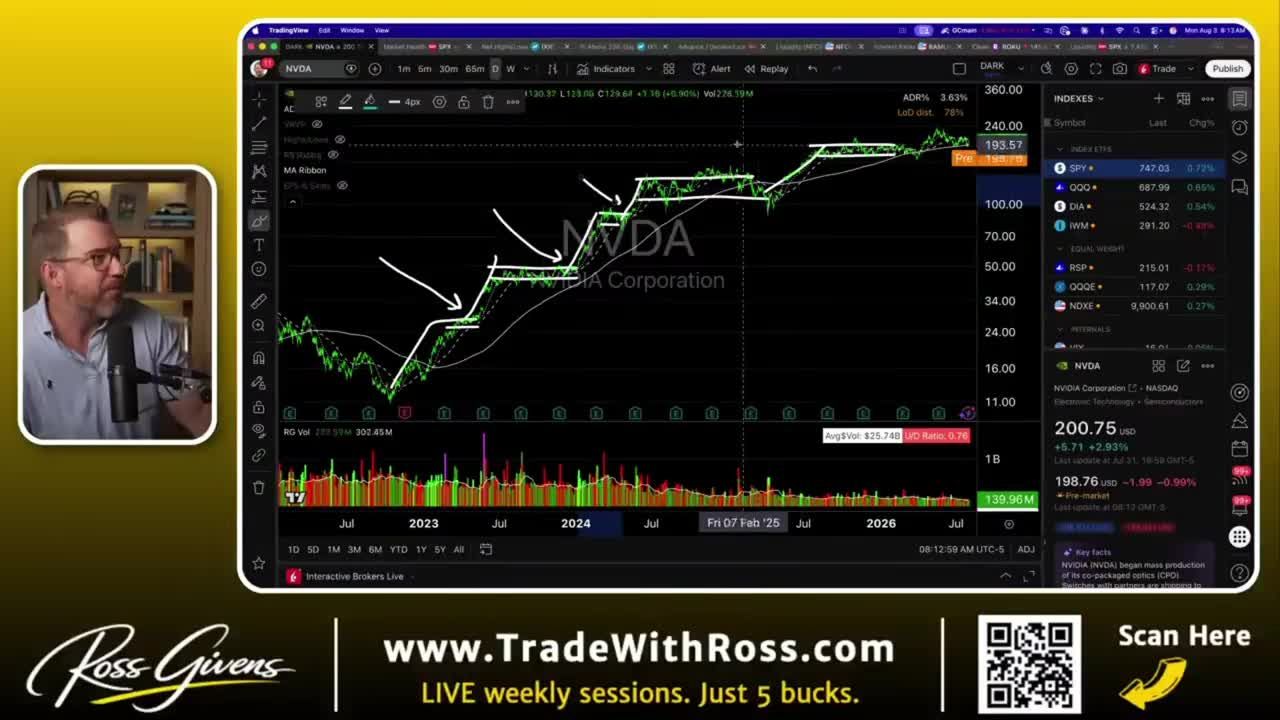
Stocks that refuse to break down tend to share one technical signature: a big advance, a multi-month consolidation that absorbs the move, then a breakout to new highs. Catching that sequence early is how you find trending stocks before the crowd shows up.
Micron is the textbook version.
- The initial move: A big advance to start the year, then a breakout at 480 that carried the stock to $1,200 a share over the next 8 to 10 weeks.
- The digestion: After a move like that, a stock has to digest. Profit takers get shaken out, and the Wall Street shops take any excuse they can find to sell so they can accumulate more down lower.
- The consolidation: That process creates a tightening sideways pattern, which is exactly what's needed before the next leg.
- The renewed push: Price begins pushing out the top side of the consolidation, even with the broader market weak.
I bought this same pattern in Micron back in April, in a very similar setup, and it worked. I'm long again from 1045, with the stock sitting at 1071, roughly 2% above my entry. These last five days of sideways action are only being held up by overall market weakness, not by anything wrong with the stock.
How I'm Managing the Risk
I'm using an OCO order on this one, order cancels order. When I buy, I place a sell stop and a sell limit profit target at the same time, and one cancels the other.
If I'm wrong and Micron rolls over and stops me out at 948, it automatically cancels the sell target at 1345. If great news hits, they beat earnings, and the stock rips to 1345 and sells, the stop gets cancelled for me. No random orders floating out there that you forgot to cancel and that could accidentally fill you.
Get an entire year of live weekly mentoring sessions, my newsletter, indicators, bonus reports, tons more. Click the link and I'll see you in the next live session.
Join my Black Ops Trading ClubSanDisk: The Second Buy
SanDisk has been one of the stocks of the year. It IPO'd in 2025 at $37 and trades around $1,700 a year and a half later. Enormous move. And the pattern behind it looks almost identical to Micron: big advances, digestion, breakout, repeat.
Then came the deep one. A pullback from 2400 all the way down to 1,000, a roughly 60% drop across June and July. There's your big correction. It happened. It's over.
Buyers have been stepping back in since, and every pullback along the way has gotten shallower, showing fewer and fewer sellers each time. It's tightening up and consolidating. Shrinking pullbacks like that tell you supply is drying up.
I'm long SanDisk from 1716, right around where it's trading. Stop at 1540, which is about 10% risk. Ideally that stop goes at 1490, below the swing low and below the 50-day moving average, but I don't like risking more than 10% on a stock, so I capped it there.
My target sits about 30% higher, on a tap of the previous highs. If it gets close, I'd likely sell half into those old highs where supply could show up or price could stall, raise my stop to break even on the rest, and trail it.
What Breaks Out First
The stocks that outperform coming out of a rate-driven sell-off are the ones held back by broad risk-off selling, not by broken fundamentals. Micron and SanDisk both fit. They're stalling because investors are selling a little bit of everything, not because there's anything wrong underneath.
If the environment flips, if inflation shows signs of cooling, if Iran moves toward an actual resolution, if oil comes down and the Fed lightens up on hikes, stocks are going to soar. These are the ones that run first.
Picking from the strongest stocks now means looking past what the broad indexes are doing and focusing on which groups keep showing up at the top of the relative strength rankings no matter the timeframe.
Why I'm Being This Picky
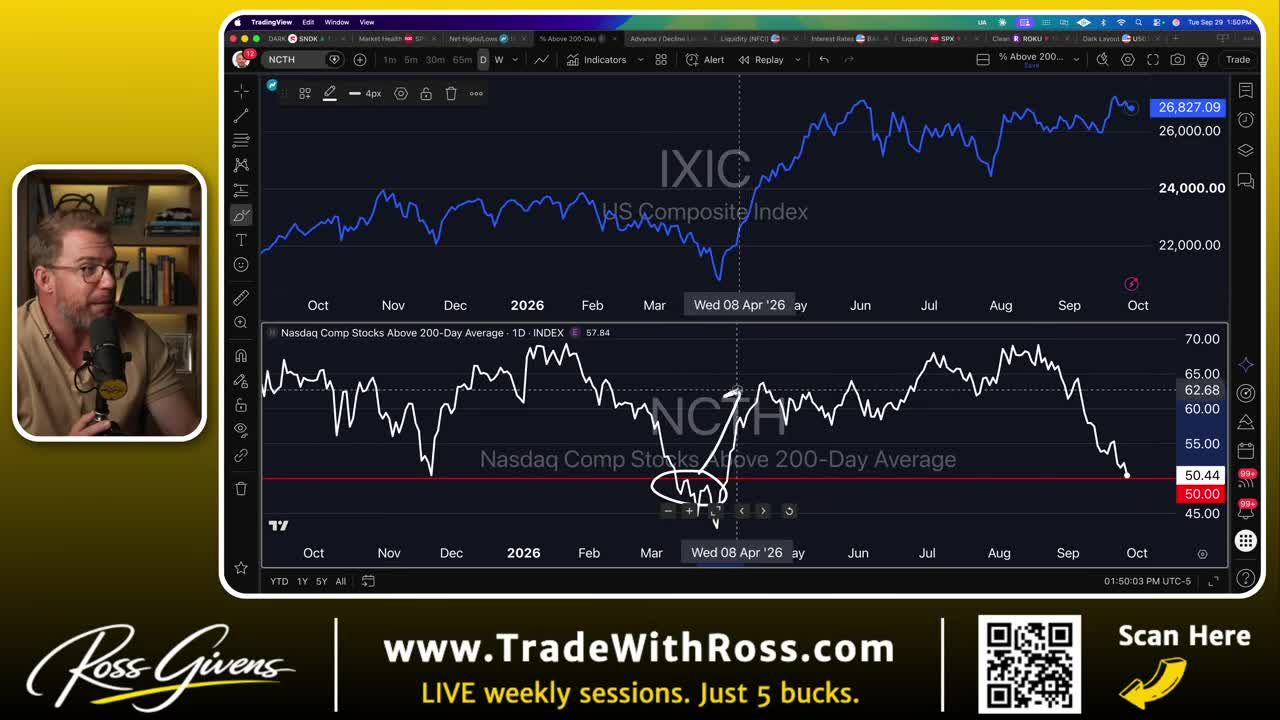
The market breadth indicators, the ones that show health beneath the surface instead of the index price, are not looking great. There are times when a monkey with a dartboard makes money. This isn't one of them.
- Net new 52-week lows are showing up consistently for the first time this year.
- The percentage of stocks above the 200-day moving average has collapsed from 65-70% down to 50%.
- This same setup appeared earlier in the year and ended up marking the best buying opportunity of the year. No guarantee it repeats.
I'm not calling a top. I'm saying momentum is not currently on the long side. So I trade lighter. Both of these were $10,000 positions, not big size. And I'm only interested in the best of the best: top stocks with huge growth, in leading groups, in clean breakout patterns. That is how I narrow the list down to the strongest stocks now.
If Micron and SanDisk don't work, clean patterns in the top group, there isn't much worth buying right now. That's just how it is.
Strength Hiding Under a Weak Surface
Headline indexes look calm. The equal weighted data and the breadth indicators say otherwise. The 30-year yield at its highest level since 2002 is the root cause, pulling capital toward risk-free returns and forcing stocks to work harder to compete.
Inside all that pressure, memory and storage keeps climbing the relative strength rankings across every timeframe that matters. Micron and SanDisk are the two names holding their patterns and pushing toward breakouts through the noise.
This is a market that rewards selectivity, not size. Trade lighter, stay in the groups showing genuine relative strength, and let the stocks that refuse to break tell you where capital wants to go next.
Get an entire year of live weekly mentoring sessions, my newsletter, indicators, bonus reports, tons more. Click the link and I'll see you in the next live session.
DISCLAIMER: Traders Agency does not offer financial advice. The information provided is for educational purposes only and should not be considered financial advice. Traders Agency is not responsible for any financial losses or consequences resulting from the use of the information provided. Trading carries inherent risks and may not be suitable for all individuals. You are advised to conduct your own research and seek personalized advice before making any investment decisions, recognizing the potential risks and rewards involved.
See more from Traders Agency on Google
Make us a preferred source and our market analysis will appear more prominently in your Google Search, Top Stories, and AI results.
Add to Preferred Sources