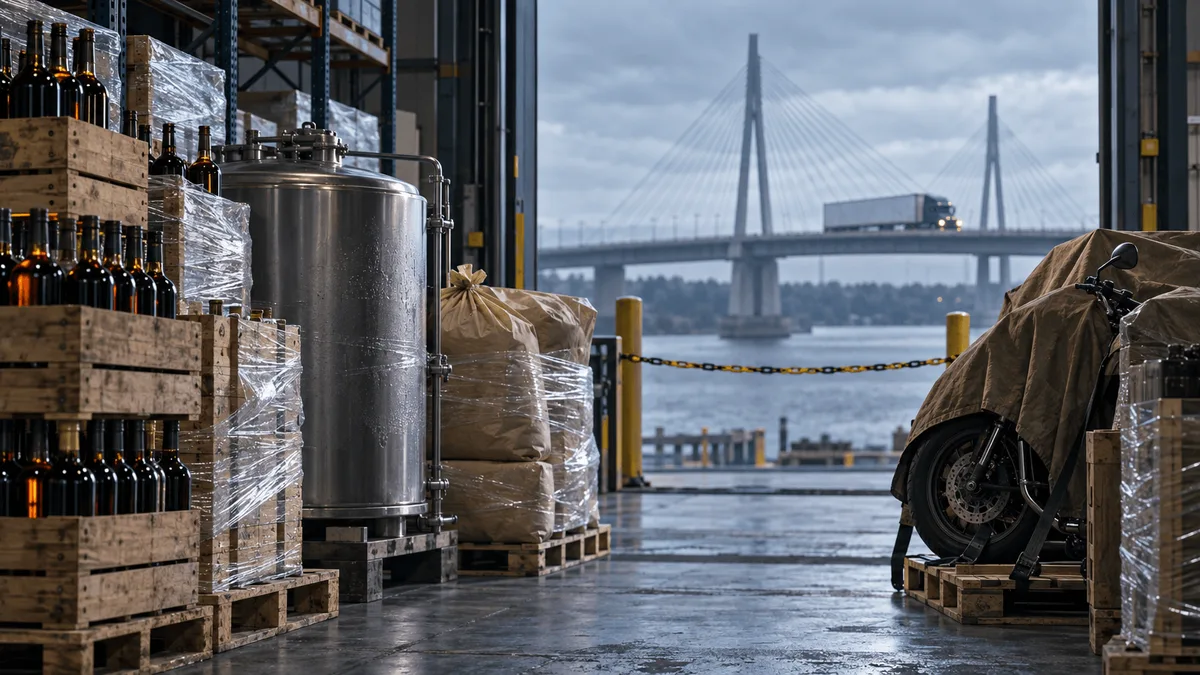
A new set of U.S. import bans covering Canadian alcohol, dairy byproducts, molasses and large motorcycles took effect just after midnight on Tuesday, Sept. 29, 2026, according to CBC News and CNBC. The restrictions mark the latest escalation in a monthslong trade dispute between Washington and Ottawa that has already produced tens of billions of dollars in tariffs on both sides of the border.
CBC reports the White House banned imports of Canadian vehicles, dairy and alcohol products, with CNBC noting that officials sent mixed signals on the prospect of a broader trade deal even as the measures took hold.
What Products Are Covered
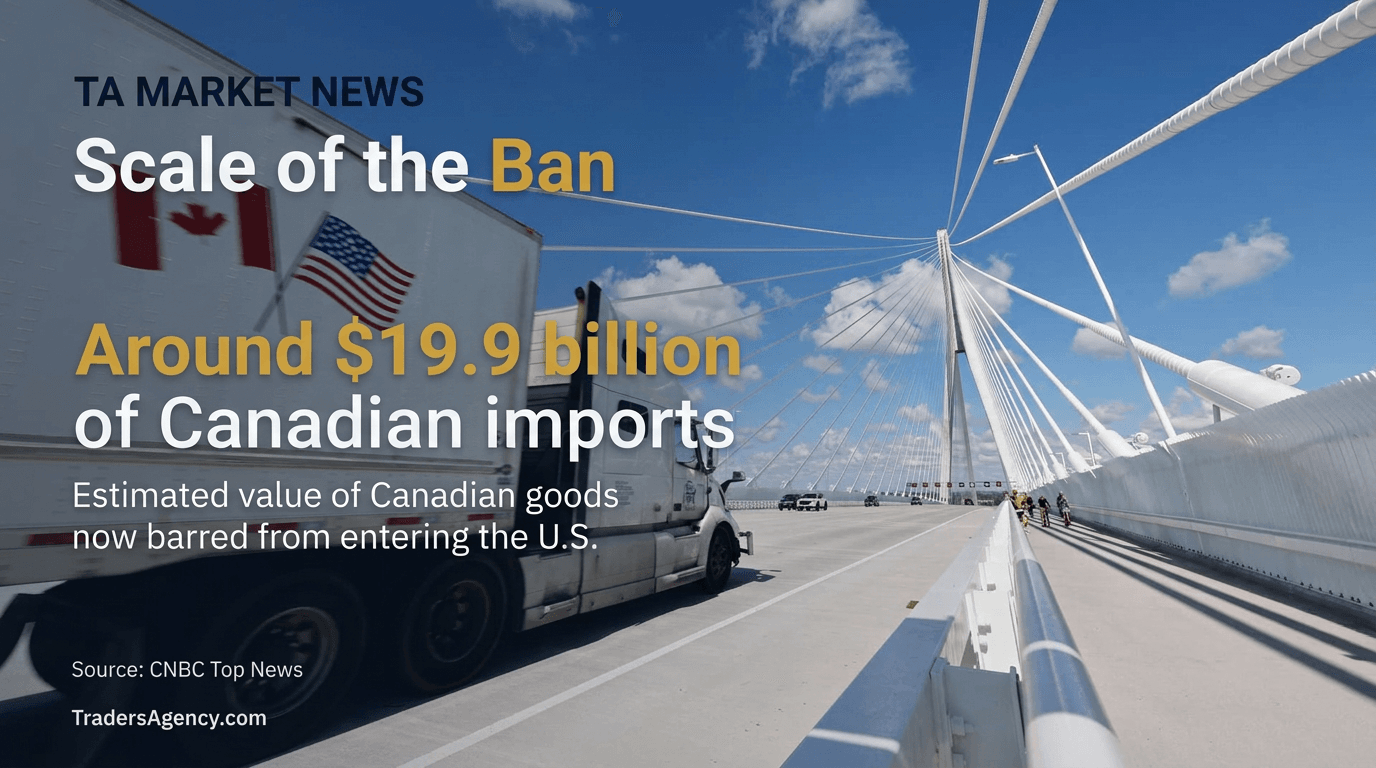
According to CBC, the banned list is set out in five White House proclamations and covers beer, non-alcoholic beer, wine, cider, whiskies, rum, gin, vodka, brandy, tequila, motorcycles, molasses, and whey and whey products. CNBC specifies that the motorcycle restriction applies only to motorcycles and mopeds with petrol engines larger than 800cc, and that the alcohol coverage is mainly products packaged for direct consumption rather than bulk shipments.
The American Action Forum estimates the barred products total around $19.9 billion of Canadian imports, CNBC reports. Separately, CBC notes that various cheese products, along with some paper, aluminum, wood, furniture and lighting goods, were added to a 50 per cent tariff list rather than banned outright as part of the same round of measures.
Context: Tariffs Already in Force
The bans follow an escalation that began in August. CBC reports the U.S. imposed 50 per cent duties on roughly $28 billion of Canadian goods on Aug. 22 after a new trade deal fell apart at the last minute, adding to existing American levies on Canadian steel, aluminum, autos and lumber. Canada responded on Sept. 8 with dollar-for-dollar retaliatory tariffs, and CNBC reports Ottawa has since imposed tariffs ranging from 15% to 50% on CA$27.6 billion worth of U.S. goods, including steel, dairy, agricultural equipment, paper, household appliances, furniture, clothing and electronics.
CNBC reports that Ottawa has not announced fresh retaliation since the Sept. 9 announcement of the dairy and alcohol import ban, leaving the countermeasure picture unchanged for now.
Reactions From Officials and Analysts
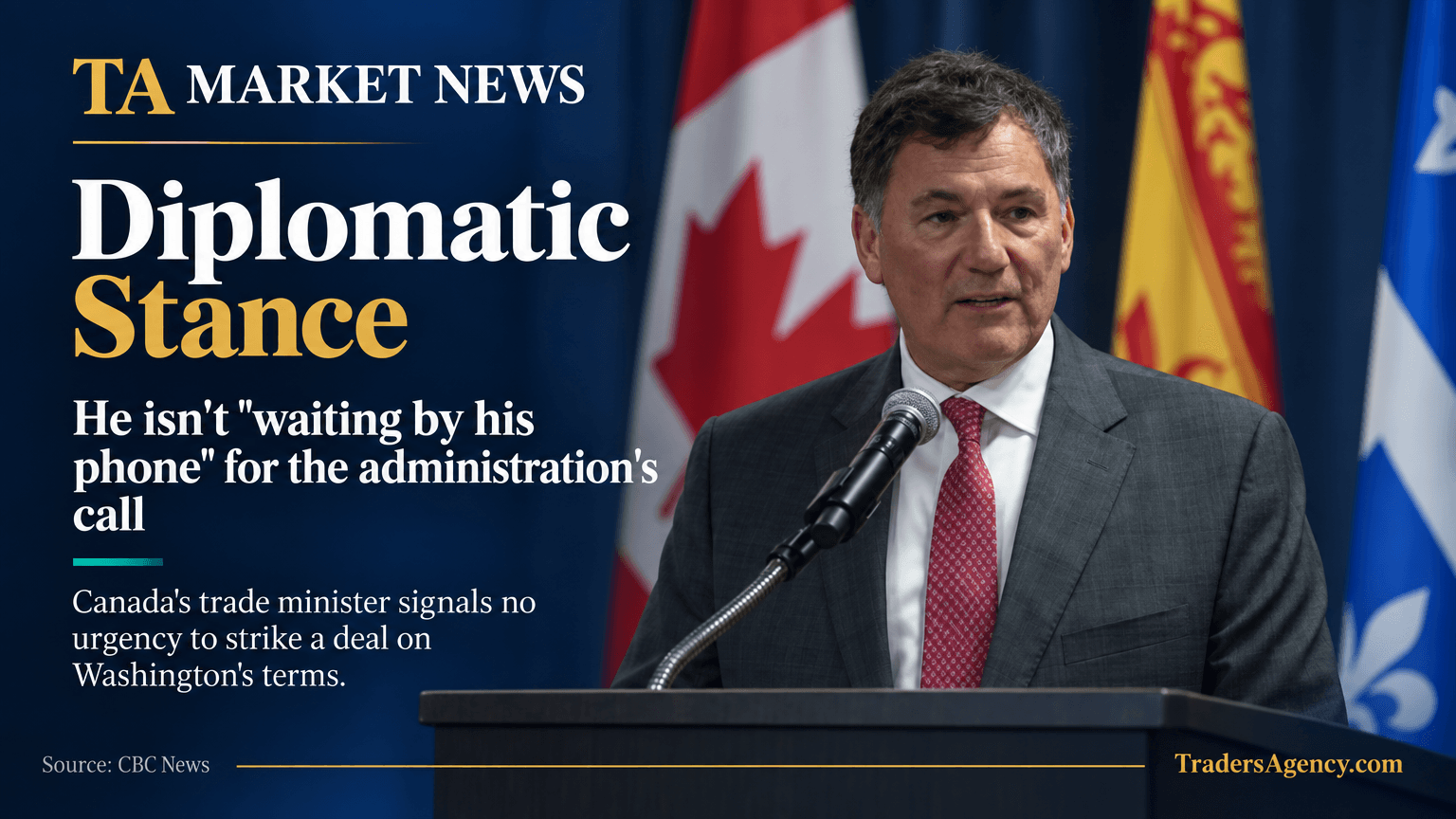
Canadian Trade Minister Dominic LeBlanc has rejected the U.S. actions, telling a press conference on Friday that Washington was "imposing illegal and unjustified tariffs on sectors of our economy that are causing considerable hardship to businesses and workers across the country," according to CNBC. CBC reports LeBlanc said Canada stands ready to negotiate a deal but that he is not "waiting by his phone" for a call from the administration.
Hours before the ban took effect Tuesday, LeBlanc spokesperson Gabriel Brunet said in a statement cited by CBC that the government's priority remains protecting and supporting Canadian workers and businesses from "these unjustified actions," adding that "our core focus is on what we can control: building strength at home, diversifying our partnerships abroad, and building Canada strong for all Canadians." CNBC reports Prime Minister Mark Carney has spent the month courting closer ties with the European Union, suggesting in a recent speech that the White House is "weaponizing" economic policy as a form of "coercion" on other nations.
According to CBC, a senior official with the Trump administration said the restrictions are designed to discourage other countries weighing whether to follow Canada's example in retaliating against the administration's tariff-heavy economic policy. Trade lawyer Barry Appleton, co-director of the Centre for International Law at New York Law School, told CBC the measures are "just a way to try to mess with Canada" and are harder to reverse than duties: "You can negotiate down a tariff — it's a number — but a ban is usually here to stay."
CBC also quoted analyst Holt, writing in a Sept. 9 note to investors, as characterizing the measures as largely symbolic: "These actions are face-saving by the U.S. administration, not substantive in nature and that's a positive." CBC reports the restrictions will deliver another blow to businesses already struggling in the affected sectors after months of tariffs and uncertainty, but do not encompass enough products to disrupt the national economy.
What Comes Next
There is no formal negotiating deadline. CNBC reports President Donald Trump said Monday he expects Canada to give ground within weeks — "I think what's going to happen is over the next three to four weeks they're going to come to us and they're going to say, 'We're going to get rid of all the tariffs.' We're going to win everything" — while CBC quoted him predicting that "a deal will be made, but it's going to be a fair deal." U.S. Trade Representative Jamieson Greer told CNBC on Friday there was "no urgency on our side" to strike an agreement, noting the two countries still have "a lot of other trade" in oil, gas and potash.
CNBC reports the measures target a relatively small portion of the $715.5 billion in annual goods trade between the two countries, but that continued escalation or a prolonged stand-off is expected to significantly affect sectors such as metals and autos and to hurt small and medium-sized businesses on both sides of the border. The Bank of Canada warned this month that the new tariffs had made the country's growth prospects more uncertain and increased upside risks to inflation, according to CNBC.
Bottom Line
The bans that took effect Sept. 29 cover an estimated $19.9 billion of Canadian imports, according to the American Action Forum figure cited by CNBC — a fraction of cross-border goods trade, but concentrated in beverage, dairy and vehicle categories. Interpretation: because bans are harder to unwind than tariff rates, as Appleton told CBC, the near-term question for investors tracking the dispute is whether talks resume at all, not how quickly rates come down; that reading is based on the sources cited above and not on any official statement of intent.
DISCLAIMER: Traders Agency does not offer financial advice. The information provided is for educational purposes only and should not be considered financial advice. Traders Agency is not responsible for any financial losses or consequences resulting from the use of the information provided. Trading carries inherent risks and may not be suitable for all individuals. You are advised to conduct your own research and seek personalized advice before making any investment decisions, recognizing the potential risks and rewards involved.
- CNBC Top News: The products barred from entry · accessed Sep 29, 2026
- CBC News: U.S. bans on imported Canadian motorcycle, dairy, alcohol products take effect as trade war drags on · accessed Sep 29, 2026
See more from Traders Agency on Google
Make us a preferred source and our market analysis will appear more prominently in your Google Search, Top Stories, and AI results.
Add to Preferred Sources