
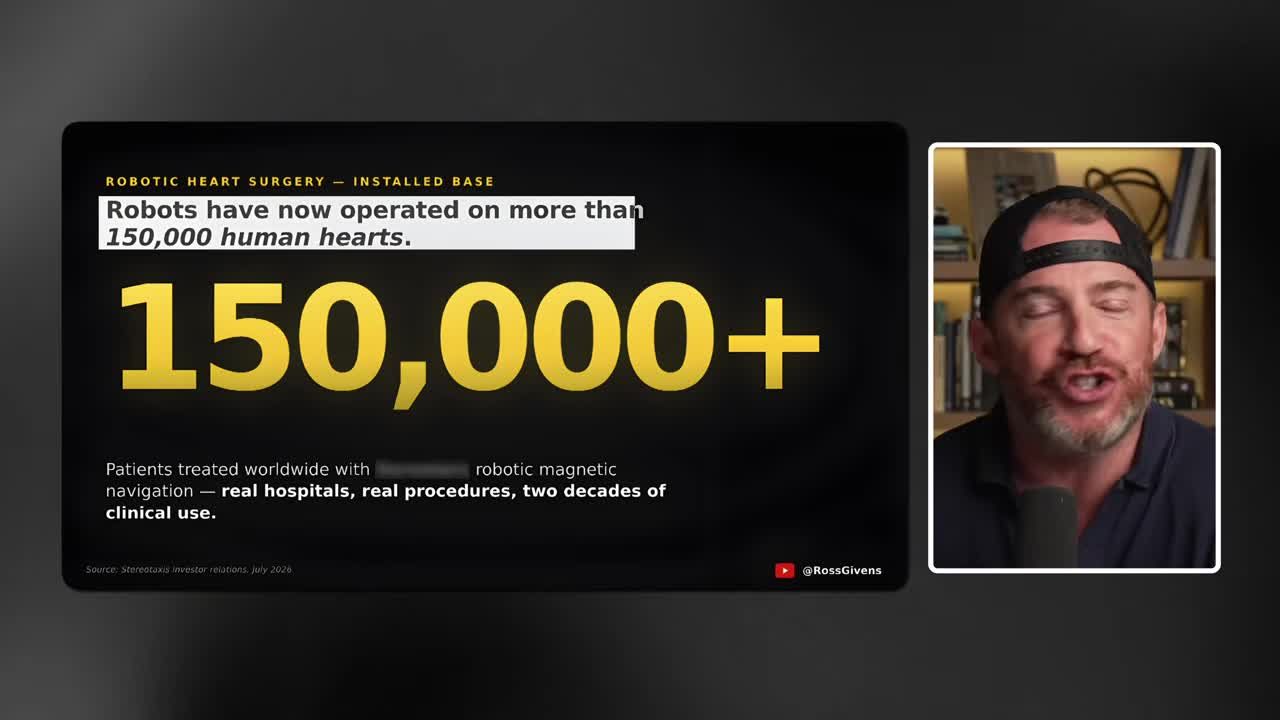
Robots have now operated on more than 150,000 human hearts. Not in a lab. In real hospitals, on real patients, all over the world. This story sits on any serious FDA just approved stock list right now.
The company behind those robots has been quietly building surgical machines for two decades. It trades for about $1.65 a share. And over the past nine months, it received a wave of good news from the FDA: a brand new robot, a brand new catheter cleared for U.S. hospitals, and a freshly closed acquisition that drops it into a $20 to $30 billion market.
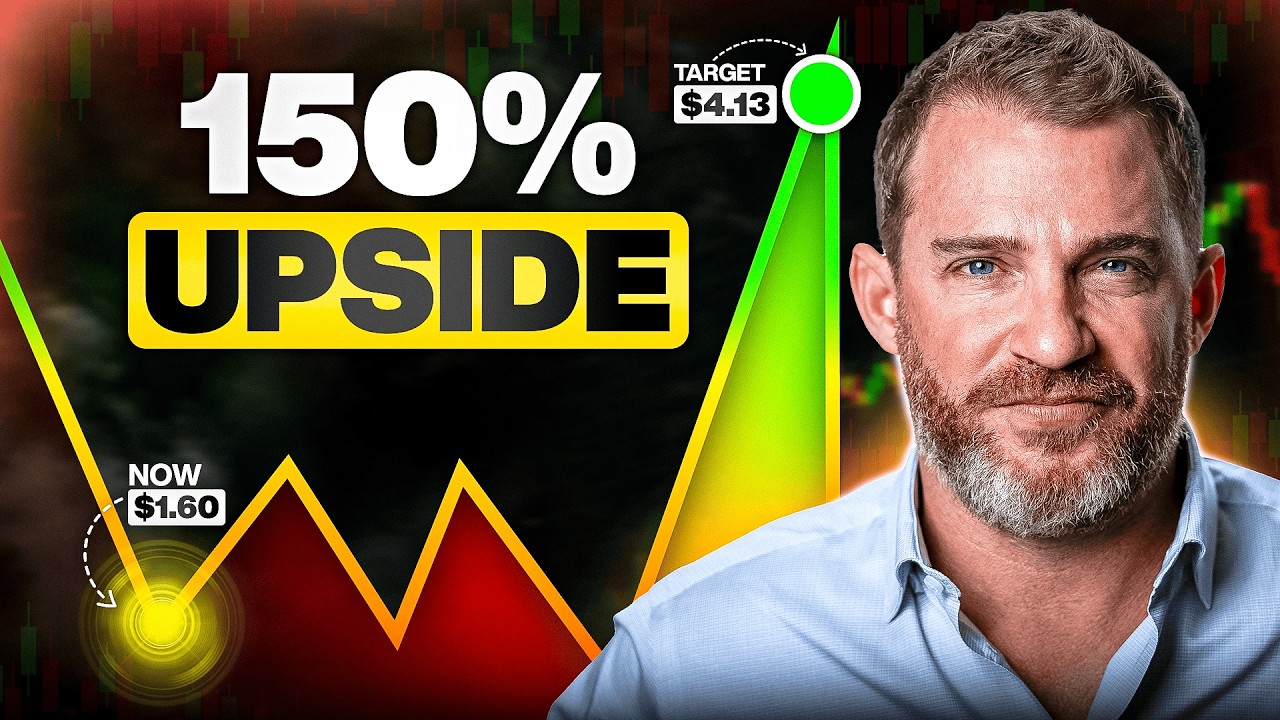
The company is Stereotaxis, ticker STXS. Four analysts cover the stock with an average price target of $4.13. Against a current price near $1.65, that implies roughly 150% upside.
What Does Stereotaxis Actually Do?
Bottom Line: Stereotaxis is a two-decade-old robotic surgery company that just stacked three pieces of FDA-related good news in under a year, yet still trades at $1.65 because institutional rules lock out most large buyers below $5. The investment thesis is straightforward: if even one or two of its newly cleared products gains traction in hospitals, the gap between the current price and the $4.13 analyst consensus closes fast.
Steering a catheter through the heart with magnets
When a surgeon treats a heart rhythm problem, they thread a long, thin wire called a catheter up through your blood vessels and into your heart. Doing that by hand takes years, sometimes decades, of training. It takes a rock-steady grip. Even then, the human hand can only be so precise.
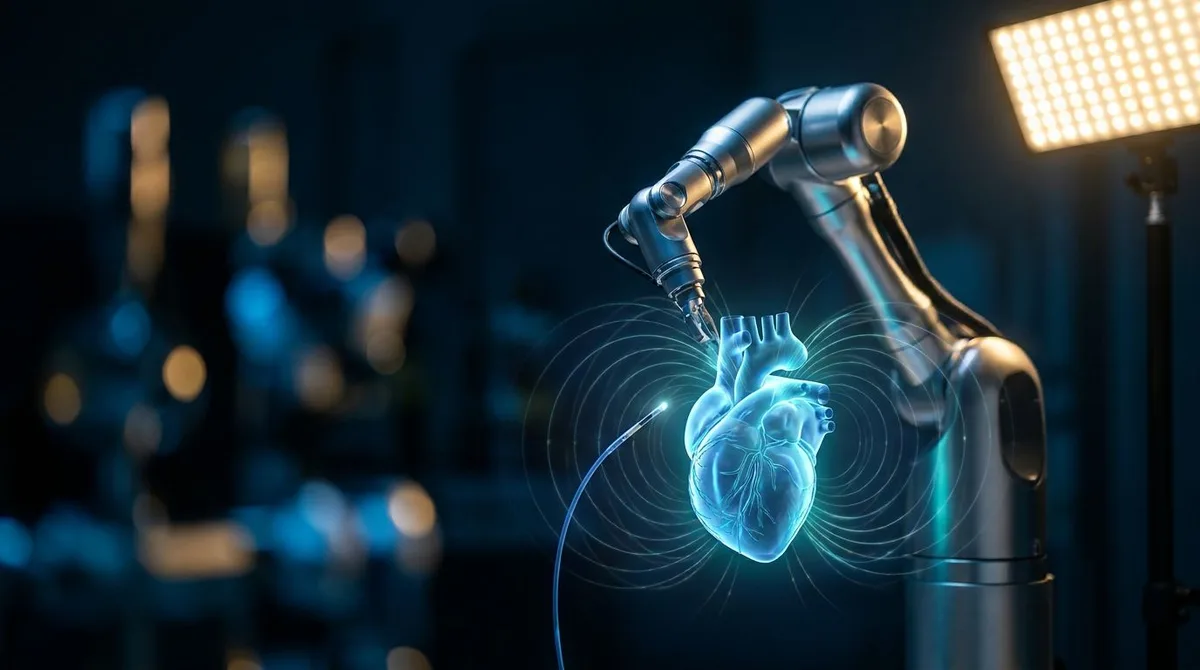
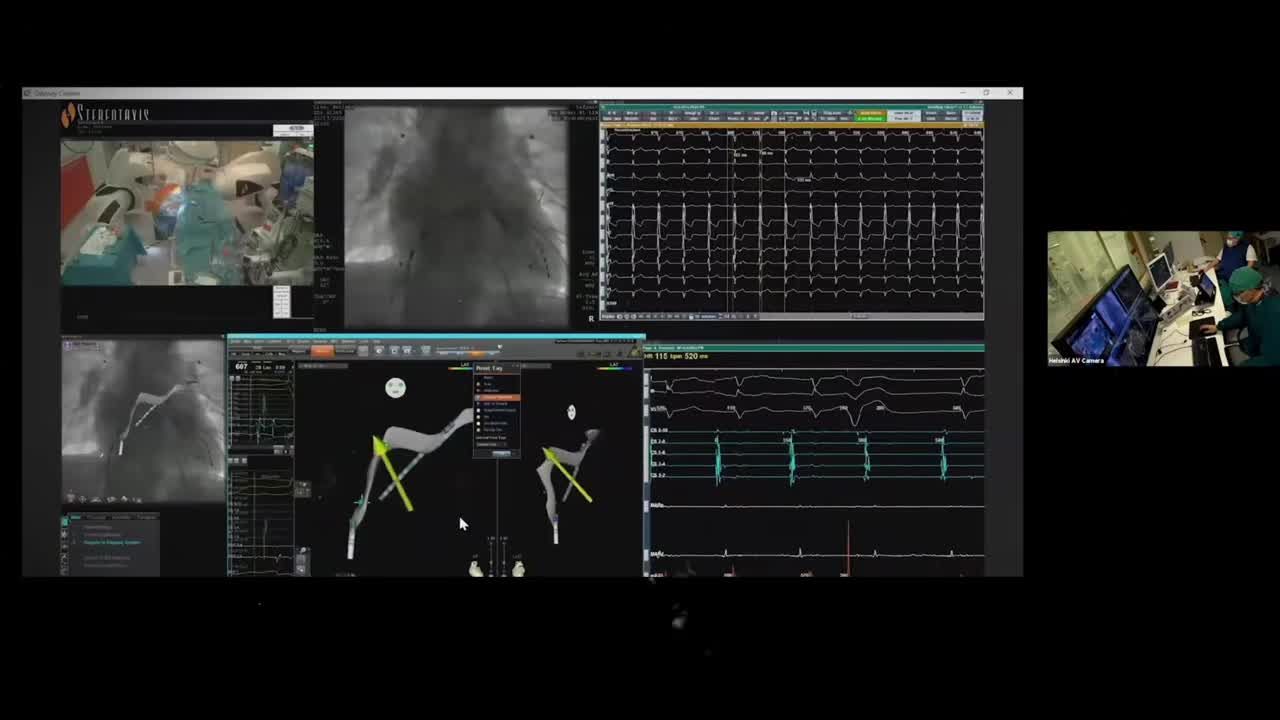
Stereotaxis built a robot that does the steering with magnets. The doctor sits at a computer console. Giant magnets around the patient steer the tip of the catheter through the heart with a precision no human hand can match.
The pitch is simple: a softer touch, fewer complications, less radiation exposure for the doctor. This isn't theoretical. Over 150,000 patients have already been treated.
Why It's Still a $1.65 Stock
If the technology works, why does it trade for a buck sixty-five? One big reason: the old systems were enormous.
We're talking multi-ton magnets that required hospitals to do actual construction. Reinforced rooms. Months of renovation. Millions of dollars.
Plenty of hospitals looked at that price tag and said no thanks. The technology was great. The installation was a nightmare. So the stock went nowhere for years.
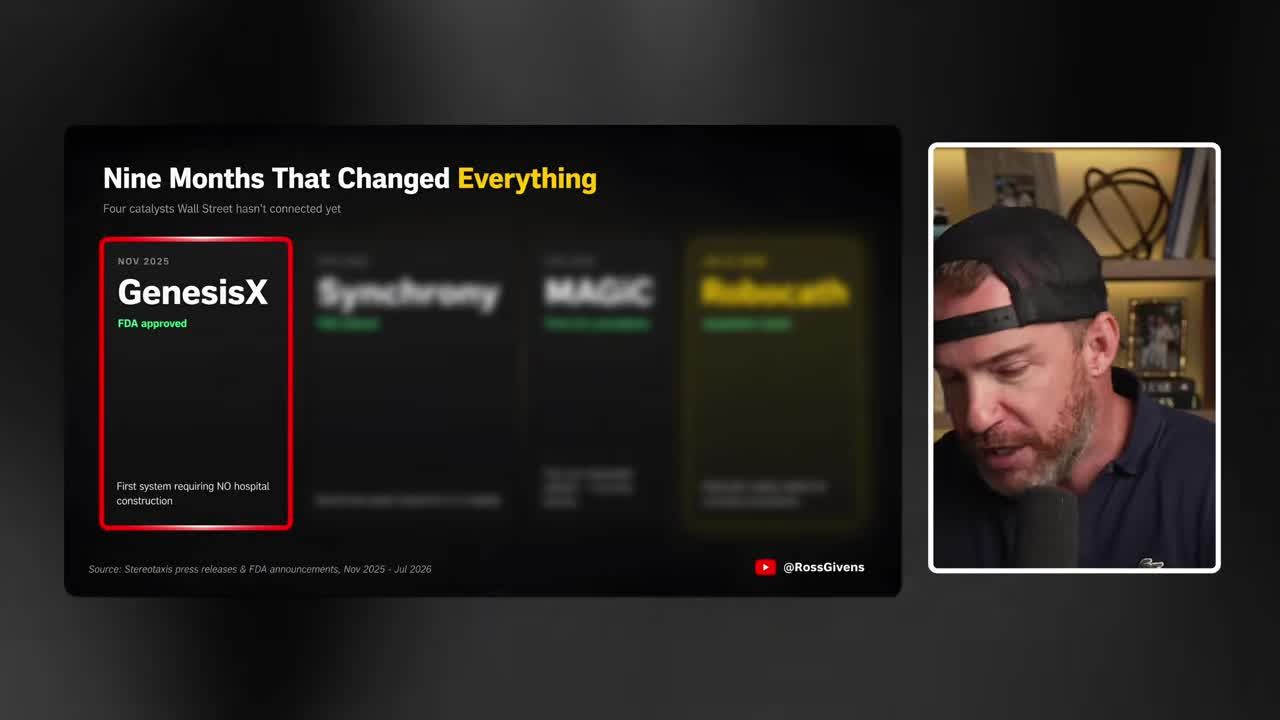
That part just changed. In November, the FDA approved a system called Genesis X. It's the first robot Stereotaxis has ever made that requires no construction, no reinforced rooms, no renovation. It fits into a standard cath lab.
Why Can't Wall Street Buy This Stock?
You might wonder why Wall Street isn't piling in. The simple answer: they can't. It's too small.
The entire company is worth about $160 million. That's tiny. It's half the lower threshold of a small cap.
Most institutional funds have bylaws prohibiting their managers from buying stocks beneath a certain size. And even the ones that don't can't get enough exposure to move the needle.
Manage $50 billion and the most you could buy of this stock is maybe one hundredth of 1% of your portfolio. A rounding error. The stock could quadruple and it would barely register in your fund's performance.
You and I don't have that problem. We can step in front of the big money, because the big money isn't allowed in yet.
The New Catheter Puts It on Any FDA Just Approved Stock List
The good news kept coming. In April, Stereotaxis got FDA clearance on a second new system called Synchry. That same month, American doctors performed the first U.S. procedures with the company's own disposable catheter, the Magic catheter. Those clearances are why it belongs on any FDA just approved stock list.
This matters. These catheters are the razor blades of the business. You sell the robot once. You sell the blades forever. That's the recurring revenue angle.
This company isn't waiting on approvals. It already has them in hand: robots in hospitals across three continents, real revenue, and 150,000 procedures behind it.
Get an entire year of live weekly mentoring sessions, my newsletter, indicators, bonus reports, tons more. Click the link and I'll see you in the next live session.
Join my Black Ops Trading ClubWhich Acquisition Puts Stereotaxis in a $20 Billion Market?
A $160 million company chasing a $20 billion market
On July 9th, Stereotaxis completed the acquisition of a French company called Robocath. This is the piece most people aren't paying enough attention to.
Stereotaxis has always been a niche heart rhythm company. Robocath makes robots for coronary stent procedures and for interventions in the brain. In clinical studies, the Robocath system posted some striking numbers:
- Better than 98% technical success rate
- Zero major adverse cardiovascular events
- Already certified in Europe and in China
Put the two companies together and Stereotaxis transforms. It goes from a narrow heart rhythm player to a robotics platform chasing the full endovascular market, one the company sizes at $20 to $30 billion.
That's the setup: a $160 million company chasing a $20 billion-plus market, with FDA approvals in hand.
The Numbers and the Gap
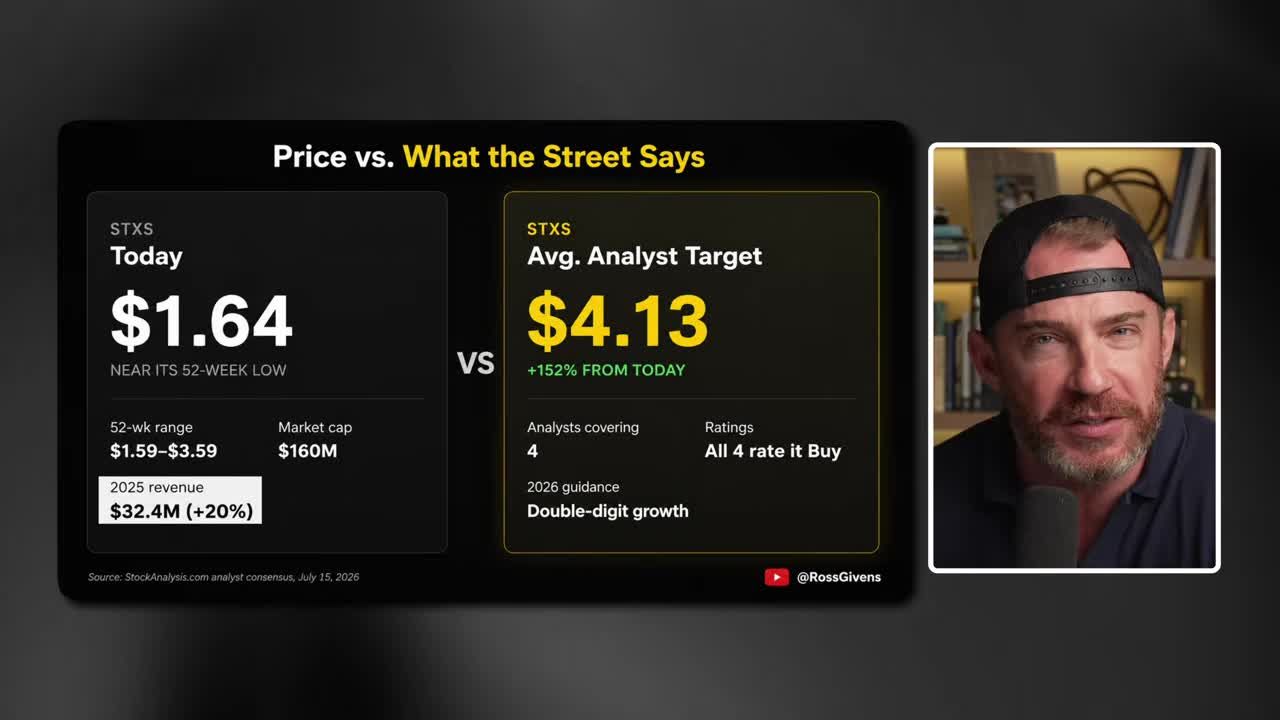
Here's where the story gets interesting. Revenue last year came in at $32.4 million, up just over 20%. Management is guiding for double-digit growth again this year.
All four analysts covering the stock rate it a buy, with an average target of $4.13. Yet the stock sits at $1.65, basically right at its 52-week low.
So if the news is so good, why is the stock so low? Part of it is the transition. As hospitals wait for the new Genesis X system to ship, some stopped buying the old one. Revenue took a short-term dip. Sales of the new machine haven't caught up yet.
Wall Street hates these gaps. They look at the numbers, they see a revenue decline, and they're out. That, I believe, is exactly why the stock trades at such a steep discount today.
For the details, you can dig into the company's filings directly on SEC EDGAR.
A Support Level That Keeps Holding
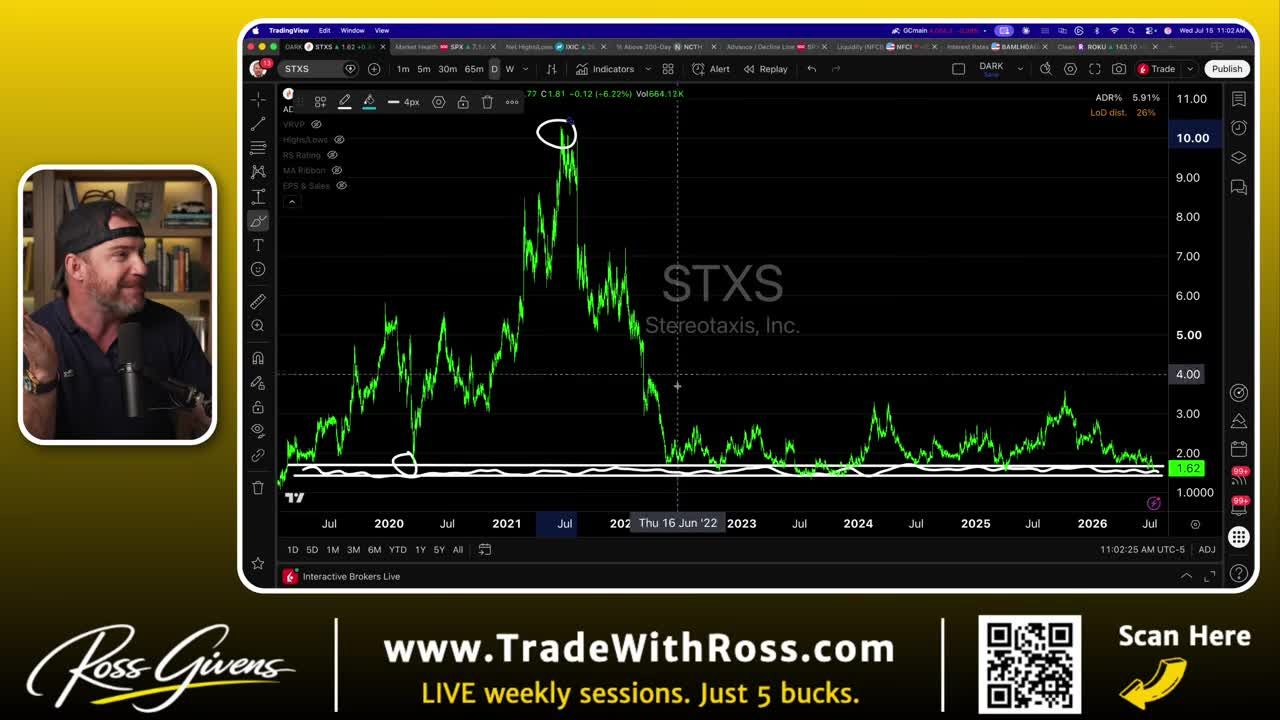
The chart looks ugly this year. The stock is down from $2.90 to about $1.60. It was as high as $3.60 in late 2025.
But zoom out. There's a very significant level here. The stock has been as high as $10.50 and as low as $1.50.
Since 2019, the stock has consistently found support in the $1.40 to $1.60 range. That zone has been a key defended level for the bulk of the last decade, the place where buyers step in.
It's not a guarantee. I'm not saying there's a 100% chance it goes up. But after the big selloff during Covid, from $6 down to this level, that's where they bought it. In the 2022 bear market, from $10 down to $1.60, they bought it again. Support, support, support.
I read the comments. I know everyone hates buying when a stock is already up. This one is about 55% off its 52-week high and sitting right at a key support level. That could make this a good time to buy precisely because it's down.
The Real Risks
I'm not trying to nail the exact bottom to the penny. Technical patterns are far less reliable on small, thinly traded stocks than they are on big, liquid ones.
The moves tend to be more extreme in both directions. That's good and bad. Extreme means big inflated upsides like we saw last year. But bad news can trigger overcorrections to the downside, which is where I believe we are today.
At this stage, this is still a story stock. These tend to either win big or fail big. It could absolutely go 10 or 20 times higher if things go right. But things could also go wrong.
1. Cash Burn and Dilution
Like a lot of young companies, they lose money, about $23 million last year. Micro-caps that lose money typically raise cash periodically. If they issue stock to do it, the share count rises and existing holders get diluted.
2. Execution and Shipping Delays
These new systems have to actually ship. Hospitals have to buy them and install them. The transition period can create revenue gaps.
3. Acquisition Integration
Folding in the new French company will take work. Mergers always come with operational friction.
But unlike most low-priced micro-caps, this one is not a lottery ticket. It's a 20-year-old company with real FDA approvals, real revenue growing at a 20% clip, robots in hospitals on three continents, and 150,000 successful procedures behind it.
Final Thoughts on This FDA Just Approved Stock List Pick
If the Genesis X rollout gains traction over the next few quarters, this stock could double or triple over the next 12 months.
Over the next decade, as we transition to the physical robotics layer of AI, I believe the upside is tremendous. There will come a day when robot hands perform every surgery, and Stereotaxis could become one of the biggest players in the field.
At $1.60 to $1.65, with the street's own target more than 150% higher, this stock is worth a look. Watch how the market reacts as these new systems finally hit hospital floors.
Get an entire year of live weekly mentoring sessions, my newsletter, indicators, bonus reports, tons more. Click the link and I'll see you in the next live session.
Key Takeaways
- Stereotaxis (STXS) trades near $1.65 and carries a consensus analyst price target of $4.13, implying roughly 150% upside based on coverage from four Wall Street analysts.
- The company's robotic magnetic navigation system has been used in over 150,000 cardiac procedures worldwide, steering catheters through the heart with magnets rather than manual hand control.
- In the past nine months, Stereotaxis received FDA clearance for a new surgical robot and a new catheter, while also closing an acquisition that positions it inside a $20 to $30 billion addressable market.
- The core clinical pitch is precision and safety: magnetic steering reduces complications, lowers radiation exposure for both patient and physician, and removes the physical skill ceiling that limits manual catheter work.
- The stock's low price and thin analyst coverage are partly structural. Many institutional funds cannot hold sub-$5 stocks, which keeps large buyers sidelined regardless of the underlying fundamentals.
DISCLAIMER: Traders Agency does not offer financial advice. The information provided is for educational purposes only and should not be considered financial advice. Traders Agency is not responsible for any financial losses or consequences resulting from the use of the information provided. Trading carries inherent risks and may not be suitable for all individuals. You are advised to conduct your own research and seek personalized advice before making any investment decisions, recognizing the potential risks and rewards involved.
See more from Traders Agency on Google
Make us a preferred source and our market analysis will appear more prominently in your Google Search, Top Stories, and AI results.
Add to Preferred Sources