Something just happened that almost nobody understands.
Hidden between the headlines about nuclear enrichment and sunken warships was one of the biggest geopolitical and economic realignments of our lifetime. A sudden shift in control over $27.3 trillion in natural resources.
None of this was captured by the headlines and sound bites. But it dictates the future of energy dominance, currency supremacy, and global power.
Once you understand exactly what just took place, it will be crystal clear where the next multi-trillion-dollar boom is forming.
Iran Crisis and the $27 Trillion Resource Shift
The media framed recent geopolitical events entirely as a security issue. Zoom out, and the picture is very different. This is an energy infrastructure takeover.
In a matter of months, control and influence over specific, massive global assets shifted. We’re talking about:
- 28 billion barrels of oil
- 1,200 trillion cubic feet of natural gas
- 3,200 metric tons of gold
- Massive lithium, copper, and iron reserves
These resources are the foundation of modern economic power. The sudden realignment of these assets isn’t a random geopolitical fluctuation. It’s the groundwork for the next major market cycle.
Why the Iran Crisis Matters for Global Markets
How the modern financial system was actually built
In 1974, the United States secured one of the most powerful economic agreements in modern history. Henry Kissinger brokered a deal with Saudi Arabia on a simple but devastatingly effective premise: all oil sold globally would be priced in US dollars.
That system allowed America to run deficits, fund growth, and build global influence.
But recently, that system was being challenged.
The $27 Trillion Resource Shift Explained
China imports roughly 70% of its oil. Energy is the lifeblood of AI data centers, manufacturing, military operations, even industrial growth.
They recognized the vulnerability. And they were methodically building independence from the dollar system. Their trajectory was not subtle — it was exponential, and energy was the lever.
The financial infrastructure they built to execute this was staggering:
- The People’s Bank of China built CIPS — an alternative to SWIFT — onboarding 1,600 banks globally
- They expanded BRICS settlement systems designed to bypass the dollar
- They now generate 40% more electricity than the US and EU combined
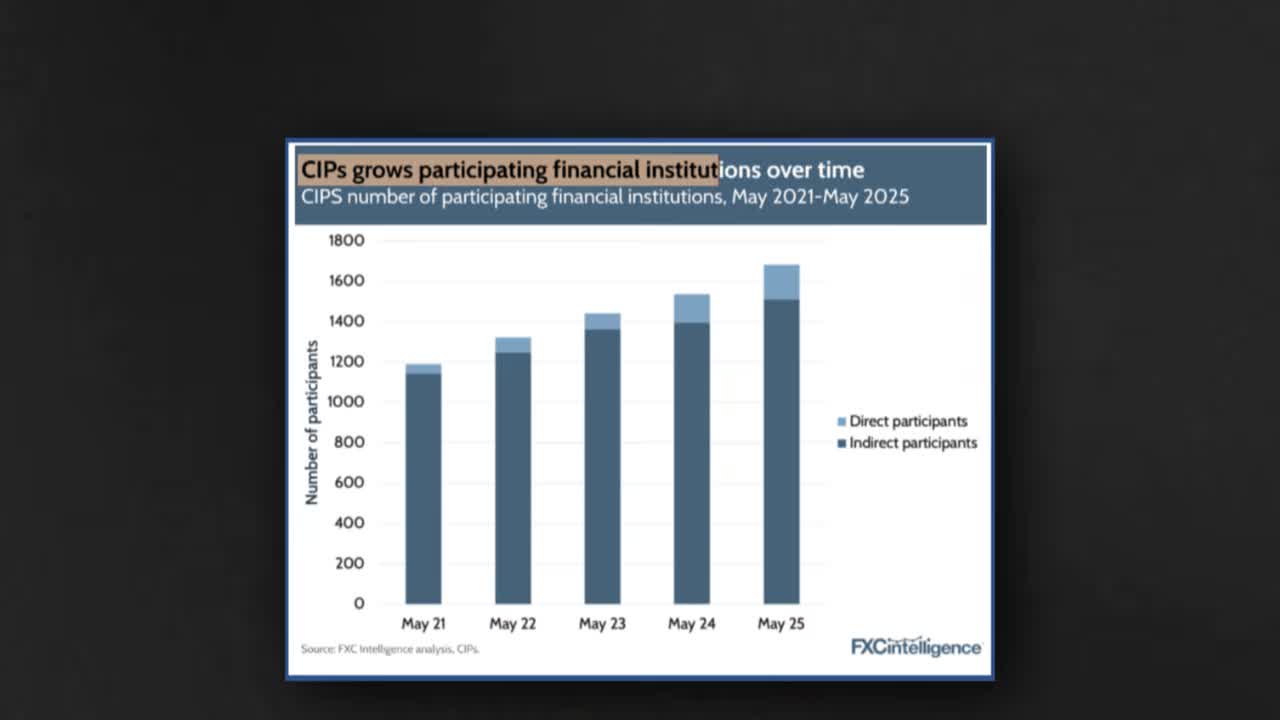
But the most dangerous move was in the oil markets.
China was buying almost 90% of Iran’s oil exports and over half of Venezuela’s exports — paid in the Chinese yuan, not dollars, at discounted rates.
How Energy and Commodity Markets Could React
Then came a rapid sequence of geopolitical events. Venezuela’s regime changes. Iranian leadership is destabilized. Energy flows are redirected.
China was importing 1.4 million barrels per day from Iran and 400,000 barrels per day from Venezuela. That’s 20% of their total oil imports — gone.
For the first time in decades, China has to compete for energy at global market rates. The discount pipeline has ended. That changes a lot.
Distribution, Not Production
This is the part most people miss. The administration didn’t drill more oil. It secured influence over the flow of oil. There’s a massive difference.
They won not by doing the labor, but by controlling who gets access. This is disruption warfare at a global scale.
Energy Fuels Everything
Data centers don’t run on optimism. They run on electricity. Nvidia has called this a “trillion-dollar infrastructure buildout.” Some estimates place the AI investment cycle north of $20 trillion in the coming decade.
Connect the dots. Energy influence shifts. That strengthens demand for the US dollar. Rare earth mining and production ramps up domestically. The federal government is investing directly in these companies. Semiconductor facilities expand thanks to forced production in the US and guaranteed access to raw materials.
Virginia, Arizona, Texas — they emerge as AI and energy hubs. This doesn’t feel random. It feels like strategic supply chain consolidation.
Get an entire year of live weekly mentoring sessions, my newsletter, indicators, bonus reports, tons more. Click the link and I’ll see you in the next live session.
Where Smart Investors Are Positioning Now
Four areas of the market — and an ETF for each
When access to resources becomes leverage, valuations move before the public even understands why. Once this narrative becomes obvious, stocks will have already moved accordingly.
1. Energy Infrastructure and Grid Expansion
Tema Electrification ETF — ticker VLT
2. Uranium
VanEck Uranium and Nuclear ETF — ticker NLR
3. Copper
Sprott Copper Miners ETF — ticker COPP
4. Industrial Metals
Invesco DB Base Metals Fund — ticker DBB
The Biggest Opportunities From the Crisis
These events are bigger than any one country or regime. They are reinforcing the dollar’s leadership in the reserve currency system. A rising energy competitor has been strategically weakened, and trillions in capital will be redirected as a result.
Whether planned or not, these events are ensuring that access to resources once again flows through Washington before it flows anywhere else. And when that happens:
- The dollar strengthens structurally
- Commodity cycles accelerate
- Infrastructure spending explodes
- Manufacturing reshoring intensifies
New millionaires are minted during the buildout phase — not the hype phase.
Globalization as we’ve known it for the last 40 years is fracturing. Energy is becoming a weapon. Supply chains are becoming alliances. Capital is moving toward energy security and AI infrastructure at scale.
This is not noise. This is macro reprogramming in real time. If you understand where energy, currency, and technology intersect, you’ll understand where the next market opportunity lies.
Markets reward early investors. Right now, the early money is moving.
Get an entire year of live weekly mentoring sessions, my newsletter, indicators, bonus reports, tons more. Click the link and I’ll see you in the next live session.
DISCLAIMER: Traders Agency does not offer financial advice. The information provided is for educational purposes only and should not be considered financial advice. Traders Agency is not responsible for any financial losses or consequences resulting from the use of the information provided. Trading carries inherent risks and may not be suitable for all individuals. You are advised to conduct your own research and seek personalized advice before making any investment decisions, recognizing the potential risks and rewards involved.
See more from Traders Agency on Google
Make us a preferred source and our market analysis will appear more prominently in your Google Search, Top Stories, and AI results.
Add to Preferred Sources